Be With Records sell soul. Be it “blue-eyed”, modern, Northern, Southern, Memphis, Stax, street, funky folk, R&B (from the 60s to the 90s), do-wop. Spanish, or Mexican. From pop chart toppers to obscurities for the heads. Rare grooves and Californian crooning. Here`s an eclectic cross-section of their repressed / reissued treasures from my own collection…
J.R. BAILEY / JUST ME N YOU

J.R. Bailey’s Just Me N You might be best known for a cover of one of its songs. P-Funk alumni Eramus Hall turned the title track into a huge – if hard to find – modern soul hit. However the whole of Bailey’s debut LP bears classic production and songwriting touches. These are large orchestral arrangements – big bands, choirs, and cinematic strings. Amazingly the recordings were – according to legend – made by Bailey – a former do-wop star and sideman of Donny Hathaway and Aretha Franklin – at his home studio and then overdubbed. The two segueing openers, After Hours and Heaven On Earth, both have the sophistication of Marvin Gaye’s What’s Going On while the fuzz guitar flourishes on the aforementioned title cut plus Everything I Want I See In You resound with the sort of drama I’d associate with Isaac Hayes. Another favourite is the Leroy Hutson-esque Love Love Love – a song Bailey penned for Hathaway.
BATTEAUX
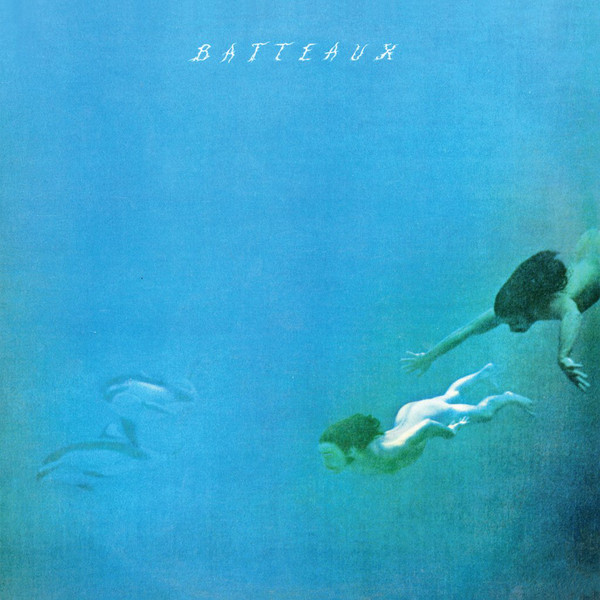
I used to see this record when I was out and about in Soho. In the late 1990s, early 2000s. Digging in my lunch-hour. The LP’s cover, of the Boston-born-and-raised, Batteau Brothers – David and Robin – mimicking dolphins in the light blue serene, fixing itself in my photographic memory. A gift that unfortunately only seems to work for album sleeves, record labels, and the pages of music biographies. I tried applying this talent to my “profession”. However, I guess music always fascinated me more than science. Batteaux would sit in a rack in Selectadisc, on Berwick Street. Pressed tightly against copies of Funkadelic’s Maggot Brain, The Headhunters’ Survival Of The Fittest, and Miles’ On The Corner. Eugene McDaniels. The Oneness Of Ju Ju. James Brown. That’s the kind of company Batteaux kept in those eclectic days. When Gilles Peterson would open his Kiss FM show with Vangelis’ Let It Happen, and Patrick Forge would think nothing of spinning Nick Drake’s Poor Boy. In hindsight, these classics in the racks were all likely boots. But I was green back then, and didn’t care about such things. I just wanted to listen to – to know – everything.
I didn’t come to learn of the beauty locked within Batteaux’ grooves until I moved to Japan. Yozo at Koenji’s EAD Record had put Living’s Worth Loving on a mix, and upon enquiry he sold me a copy. An original, of course. Yozo being one of the friendliest guys you could hope to meet, and during my stay in Tokyo, my unofficial language coach and city guide. Lender of umbrellas during springs showers. Supplier of hot tea in winter. As well as the purveyor of “cult” sounds.
Bateaux was released in 1973. Post-Altamont. Post-the hippy bubble bursting. Yet it still sings a lot about love, peace, and what a better place the world would be if we all just got naked:
“Take off your clothes and feel the air, Mother Nature running bare.”
Henry Lewy was the engineer. His CV at that point included Easy-Listening el supremos, The Sandpipers, Brazilian breakthrough Sergio Mendes, the American Cosmic of Gram Parsons’ Flying Burrito Brothers, Neil Young & Crazy Horse, and ladies of Laurel Canyon, Judee Sil and Joni Mitchell. Lewy worked on Mitchell’s 1971 masterpiece, Blue, and went on to complete another twelve LPs with the legendary singer / songwriter. Going some way toward explaining Batteaux’ greatness.
There are ballads here – one of them Country-tinged – but the people flicking though those Selectadisc racks were doing so for the funky folk numbers. Acoustic guitars, kalimba, cuica, and campfire choruses of applause and whistling:
“Watch out mama, here I come. Crazing dancing in the sun.”
The Caribbean lilt of Cat Stevens. Or Bob Dylan’s Mozambique.
“A shooting star. A last hurrah.”
Invitations to the beach accompanied by cello and violin arrangements that could have been lifted from Bryter Layter.
BO’VEL / CHECK 4 U
A mid-90s Mancunian street soul holy grail, the bass on Bo’vel’s Check 4 U is absolutely incredible. An all encompassing womb-like boom, wildlife whistles add to its primal, tribal nature. The song is a genius showcase of stripped-down simplicity and universe-shaking low end.
ARETHA FRANKLIN / ONE STEP AHEAD

Aretha’s irresistible, string-soaked, Clyde Otis-produced, ballad from 1965 was first rediscovered back in 1999 when Mos Def borrowed its beat to furnish his own hard-luck, heartbreak story, Ms. Fat Booty. In 2016 the OG was then returned to popular consciousness by Barry Jenkins Oscar-winning, masterpiece, Moonlight.
WILLIE HUTCH / SOUL PORTRAIT & SEASON FOR LOVE
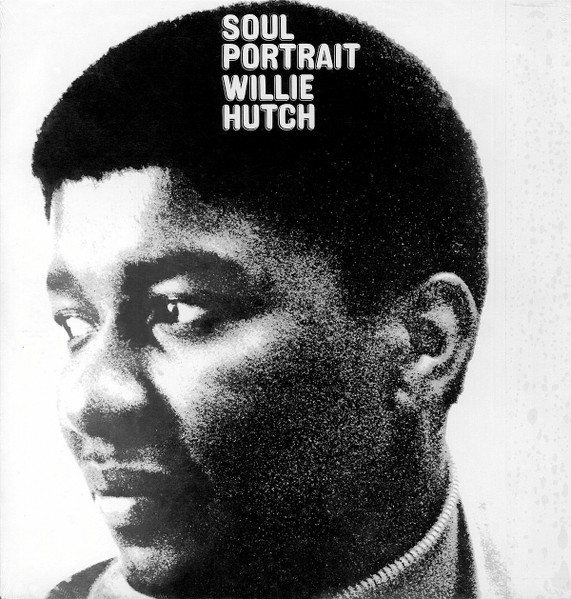
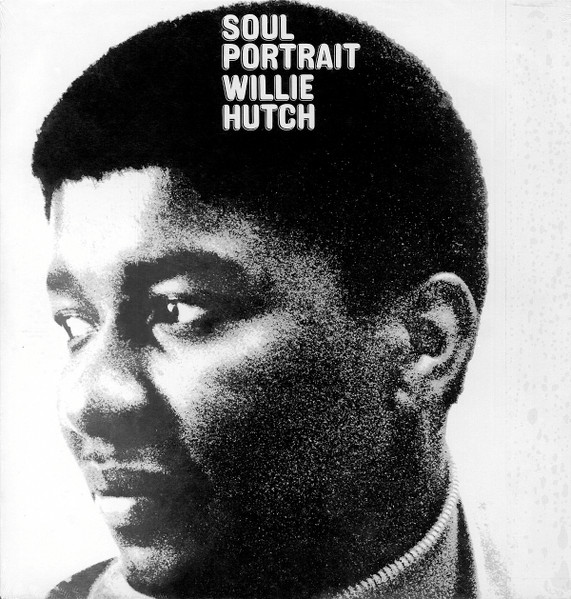
Singer, guitarist, songwriter, and arranger, Willie Hutch got his break in the late 1960s when he moved to California, from Texas, and began working behind the scenes for 5th Dimension. I’ll be honest and ’fess, that prior to Be With’s reissue of his first two solo LPs, all I knew of Willie was an AA-sided 12 of his that I own: In & Out reminding me of underage drinking and violence-finale-ed evenings at Croydon club, Easy Street, flipped with Brother’s Gonna Work It Out. Originally featured on The Mack soundtrack, this track was later championed on London’s acid house / Balearic scene.
Willie’s debut Soul Portrait, however, was released in 1969, its follow up, Season For Love, in 1970, both on RCA, after which he signed to Motown, where he remained until the mid-80s, penning hits for himself and others. Soul Portrait is full of Southern-fried stompers. The music of Stax, Otis, Sam & Dave, Solomon Burke, a fair amount of Wilson Pickett (Sock It To Me doubles for Land Of 1000 Dances), and a whole lot of Curtis Mayfield / The Impressions.

Season For Love is a soul more searching, leaning towards heavily orchestrated ballads, strings, and full choruses of backing harmonies. Swinging brass punches. Like Johnny Harris for Shirley Bassey, with guitar-picking like Hendrix’s Little Wing, and a voice somewhere between Nat “King” Cole, and that wicked, wicked Pickett. Soaring, dramatic, theatrical. I’m no expert but Hurt So Bad must have big on a Northern dance floor somewhere.
RARE SILK / STORM

Be With Records and Emotional Rescue collaborated on a 10” repress of this strange soul gem by Rare Silk. A jazz vocal interpretation of a Stanley Turrentine the track, Storm, is taken from their 1985 LP, American Eyes. Think Manhattan Transfer on Mars. Best sampled at sunset, it gently tumbles and rumbles like a Wally Badarou-built jungle at twilight. Complete with exotic bird calls and ECM saxophone. Alexis Georgopoulos AKA Arp provided a respectful dub on the flip.
SLEEPYS THEME / THE VINYL ROOM
The Vinyl Room is a slept on side project of Patrick “Sleepy” Brown. Sleepy was part of Atlanta-based production team, Organized Noize. The chaps responsible for hits throughout the 1990s and 2000s, for not just themselves, but also the likes of TLC, Sounds Of Blackness, Outkast, Ludacris, Goodie Mob, En Vogue, and Curtis Mayfield.
Originally released, on cassette and CD, in 1996, The Vinyl Room runs to seventeen tracks. Segueing skits, social commentary and homages to Barry White. Stoner humour and Blaxploitation Wah Wah licks. Bongos, brass, Fender Rhodes, and funky Clavs dance with fuzzed out fretwork, that touches on Eddie Hazel, Hendrix, and Ernie Isley. In places Sleepy’s falsetto and production recalls that of his contemporary, D’Angelo’s classic Brown Sugar. In others it’s a ringer for Organized Noize’s time on Mayfield’s New World Order. Fallin’ In Love Again channels the joy of Mayfield’s protege, Leroy Hutson. The narrative of Black Cherry could be a female flip on N*E*R*D’s Provider. While Curse On You is the Voodoo blues of Lewis Taylor’s Lucky, if sung by Mary J. Blige. Private Party, and Menage A Trois, are as freaky as Sleepy’s mates Outkast doing their best Rick James.
SOLA / UN MUNECO DE MADERA

Sorta slotting in alongside Be With’s library music catalogue Sola’s Un Muñeco De Madera, musically is painted similar palette as the groovier end of KPM and De Wolfe. However, the main difference here is that these are proper songs, whispered and sweetly sung by a mysterious Mexican chanteuse. The music and arrangements, provided by Spanish composer Manuel Alejandro, draw comparisons to Italian counterparts, such as Franco Godi and Piero Umiliani. These are pure pop confections of the same high quality as Johnny Harris’ seminal Shirley Bassey sessions. Recorded in Acapulco and released in 1971, the album still swings with the ’60s. One of the standouts, the Tropicalia-tinged Tabu Tabu, travels a tad further south. My notes say “Imagine if Asha Pulthi was from Rio.”
TLC / CREEP

TLC released Creep in 1994. To be honest, by then I was pretty far removed musically from chart-topping R&B, but that didn’t mean I couldn’t appreciate a great pop song when I heard one. I was hooked by the time T-Boz sang “the 22nd of loneliness.” The song’s lyrics, to me at least, tapped in to something akin to what Prince was doing, and were open to interpretation. While its primary concern was infidelity, it also seemed to be about the other lies we tell to keep ourselves hidden…and fuck me I was hiding a lot back then. When I listened, the song sounded like it was admitting that we were all creeps – aligning itself with the self-loathing of Morrissey (before the fall) and the Radiohead song of the same name.
The track has been heralded as an “icon” of female empowerment, “girl power” – its story describing a woman who cheats on her man, to get revenge on him cheating on her. If this thinking appears more than flawed today then it’s definitely worth noting that Creep was written by a man – Dallas Austin – and that the band members initially baulked at singing it – and at the message it sent. Stating publicly that in such a situation they’d simply “dump his sorry ass.” Left-Eye in particular took issue with the song’s apparent promotion of promiscuity, flaunting the band’s previous stance on safe sex and AIDS awareness. Issues she addressed by penning the follow-up, Waterfalls. A hyper melancholic pop song, hidden by its bright clipped funk production. Detailing dead-ends and escapes that aren’t really escapes at all. The dangers of drugs and love.
LEON WARE

Leon Ware`s eponymous 1982 album was Be With Records` debut release. When I interviewed the label`s Rob Butler at the time he said, “It was a fun one to come out of the gate with. It’s from the year I was born and its centrepiece is a track about California, where I’ve lived and my in-laws still live.” The imprint also posted a great interview with Ware on their website. This was an album that a lot of DJHistory.com forum members picked up after DJ Harvey put That’s Why I Came To California, Leon`s hymn to the creativity he found in places like Venice and Zuma, in a mix.

Be With also later reissued Ware`s Rockin` You Eternally. Both albums are big budget productions with brass, woodwinds, and swooning romantic strings. The countless singers and players include Brazilian maestro Marcos Valle, hiding in L,A. out due to his country’s then military dictatorship, and you wonder where did all the money come from and would records like these ever get made today?
THE DEIDRE WILSON TABAC

The Deirdre Wilson Tabac’s sole long-player is a mixed late 60s bag of Rhythm And Blues-ed up covers. Hailing from Philly, the collective tackle hits from The Beatles to Otis Redding. The set includes Northern Soul-styled stompers, such as Angel Baby, and a Jazz Dance classic in the shape of I Can’t Keep From Crying Sometimes. Championed by Jazzman Gerald, this track summons the spirit of the Talking Loud sessions at Dingwalls. It could sit comfortably alongside the likes of Lonnie Smith and Mark Murphy on Gilles Peterson`s genre-defining Jazz Juice compilations. The group’s members went on to work with Bruce Springsteen, Bon Jovi and James Brown.
EDNA WRIGHT / OOPS, HERE I GO AGAIN

Edna Wright first found fame as a member of Honey Cone. A vocal trio that disbanded in 1973. Wright`s one and only solo LP surfaced in 1977, with classic, classy songwriting and production by her husband, Greg Perry, at the height of disco’s boom. With arrangements that looked back toward vintage Motown (If The Price Is Right sounds like Diana Ross pouring heartbreak over Rita Wright’s Touch Me, Take Me), the Philly of Teddy Pendergrass and the down-home funk of Betty Davies or Laura Lee, rather than a shiny mirror ball future. It failed to sell, got cut out, deleted and disappeared. Its elusive nature only adding value to its value once the title track was rediscovered as a rare groove. “Oops…” was subsequently sampled by De La Soul as they kicked over D.A.I.S.Y. Age’s flower pot and buried their much hated “Hippies Of Hip Hop” tag.
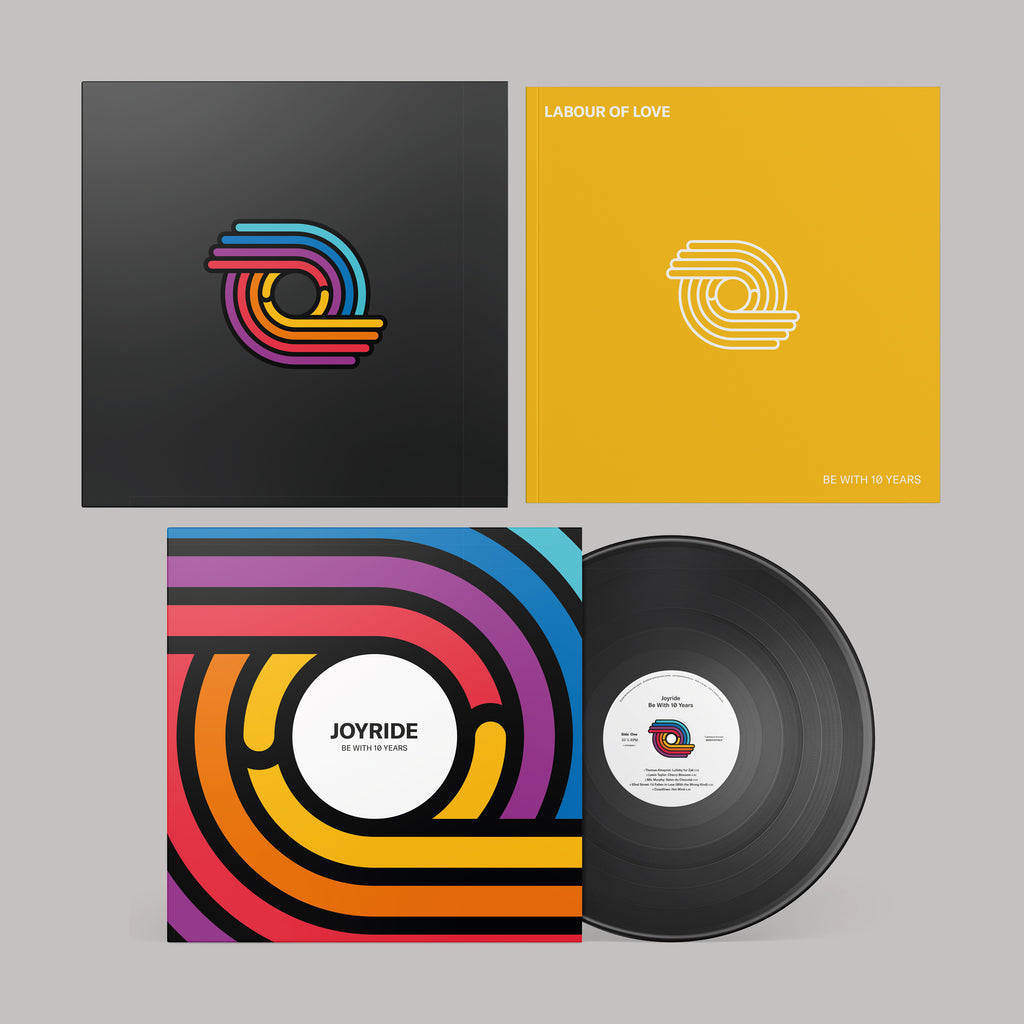
Be With Records’ 10th anniversary book and compilation can be preordered here.
Discover more from Ban Ban Ton Ton
Subscribe to get the latest posts sent to your email.
 Ban Ban Ton Ton