I don’t feel like I know anything about jazz. I pick up jazz dance classics, when they’re reissued by labels like Jazzman and The Jazz Room, but my knowledge lacks any real depth. When I was cleaning up my act back in the mid-90s I got into the spiritual stuff. You know things like The Coltranes, Pharoah Sanders, and Sun Ra. I even bought a couple of “outthere” BYG / Actuel box sets. Albums by Don Cherry and Archie Shepp stand out. Then ID-ing tracks on Jose Padilla’s Cafe del Mar tapes introduced me to ECM. I didn’t write about jazz because I didn’t feel qualified. However, a friend, Sam Fitzgerald, convinced me to stop already with “another nice one for sunsets” and step up to the challenge. I couldn’t be technical, or historical, but I was into the beat poets so I figured I’d try and do what they did. Every Sunday night I’d get a bit lit, run a hot bath, lock myself away with the music and write the first thing that came into my head. This was fun for a while, but the days of an hour-long soak were numbered. Things happen, windows close, and it’s sometimes hard to reopen them. However, Cal Gibson then came along and offered to help. With a background that’s way more musical than mine, he did, and still does, a sterling job. Over the last year and bit, Cal’s shifted his focus toward helping smaller labels, and you’ve got to respect him for that. So, with the above serving as a sorta disclaimer, here’s Ban Ban Ton Ton’s pick, a tiny skim of the surface of Be With Record’s jazz…
IAN CARR’S NUCLEUS

Cal covered 4 releases from Ian Carr’s Nucleus. Be With have since repressed 4 more. He described Alley Cat, Labyrinth, and Under The Sun as “chock full of funkified fusionistic jazzual manouevres: genre-bending, twisting and turning, shaping the future from the remnants of the past.” With Roots he touched on the record’s plundering by MPC maestros such as Lootpack, Madlib and Quasimoto. He referred to Carr as “one of the UK’s finest musicians of the past fifty years.” Cal also raved about the remastering and pressings – “every track zings with organic soul jazz goodness” – something for which Be With have set the bar.
I have to admit that I’m not big on prog-y stuff, but I picked up Roots after learning that Andrew Weatherall once spent money he’d saved for fancy trousers on a second-hand copy.
THE AHMAD JAMAL TRIO / AWAKENING

Ahmad Jamal was born in Pittsburgh in 1930, where he began playing piano at the age of three. Performing professionally when he was just 14. Aged 20 he moved to Chicago, converted to Islam, and changed his name. He made his first recordings a year later, in 1951. Gaining acclaim and recognition as a member of the house band at the city’s Pershing Hotel. The band’s live recordings topped the charts of 1957. In 1959 he began touring the African continent. Jamal’s playing and arrangements moved in the opposite direction to the speed and complexity of Be Bop. His measured tempos and minimalist approach – his “concept of space” – were a key influence on Miles Davis’ Kind Of Blue. He won just about every award for Jazz – which he called “American Classical Music” – you can think of. In April of last year he sadly passed away.
The Awakening was originally released on Impulse! in 1970. It was the last LP were he used solely acoustic piano. Subsequently switching between Fender Rhodes. The Be With reissue made much of the album’s contribution to hip hop. Its sampling on classics by folks such as Common, Gangstarr, Jeru The Damaja and Nas.
KIMIKO KASAI / BUTTERFLY
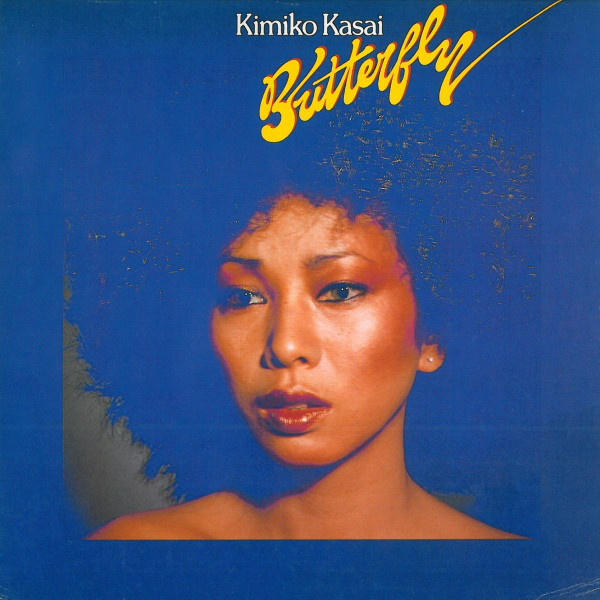
Kimiko Kasai’s Butterfly was released in Japan in 1979. Its scarcity outside of Kasai’s homeland was of the reasons the LP became so sought after on the UK jazz / soul scene. The other was down to the album’s producer, Herbie Hancock. Recorded during Japan’s economic bubble the sessions flew Hancock into Tokyo, along with his bassist Paul Jackson, percussionist Bill Summers and saxophonist Bennie Maupin. This already star-studded line-up was completed by pianist Webster Lewis and drummer Alphonse Mouzon. Together they cover a selection of Hancock compositions including the dance-floor-filling I Thought It Was You. They also do a sterling version of Stevie Wonder’s anthem, As.
SORRY, SONY HAVE BLOCKED ALL CLIPS IN JAPAN.
Kasai is a very classy character, with a lot of stories to tell. Having begun recording for independent labels, like the legendary Three Blind Mice, her career travelled all the way through to the opulent orchestrations of city pop. Kasai currently lives in Santa Monica and is mother-in-law to Hollywood director Paul Thomas Anderson. Thanks to one of the controversies around Anderson’s movie Licorice Pizza, my short interview with Kasai continues to be one of Ban Ban Ton Ton’s most referenced and viewed posts.
KPM
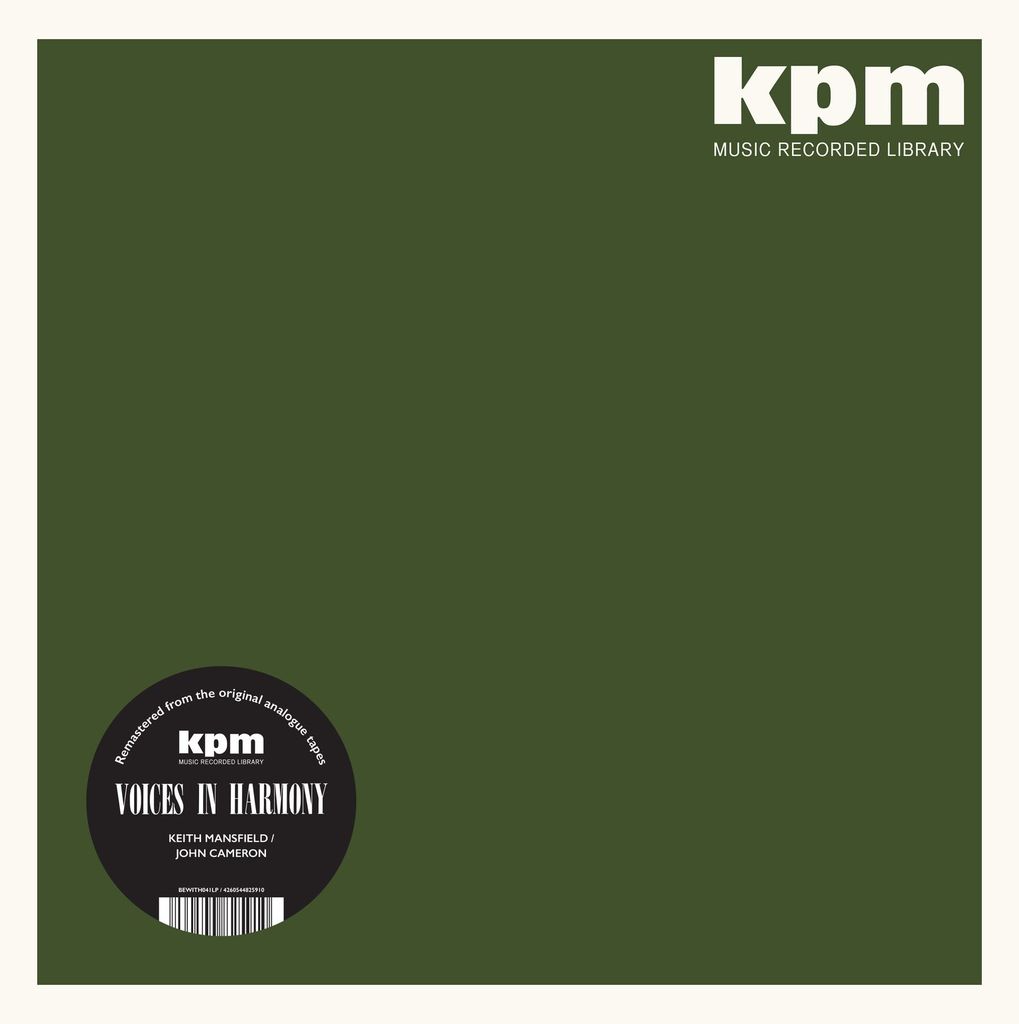
In 2018 Be With cut a deal with celebrated library music house, KPM. This allowed them to reissue a long list of albums, that in the ’80s and ’90s had slowly gone from being carboot sale sources of beats and samples to highly sought after holy grails. To announce this event, Be With did a huge 11 LP drop, featuring the work of luminaries like Brian Bennett, John Cameron, James Clarke, Francis Coppieters, Alan Hawkshaw, Keith Mansfield, and Alan Parker. From that first batch, collections such as Hot Wax, Piano Viberations, Synthesis and Voices In Harmony all contain tracks that could be considered jazz. At the time I penned a lengthy essay.
MASTON / TULIPS & PANORAMA

Los Angelino multi-instrumentalist Frank Maston explored his European roots, stirring in influences he picked up while working in The Netherlands, on three LPs that paid tribute to French and Italian composers. Tulips is a lush, library of short cinematic cues that summon lovers strolling, hand-in-hand by The Seine and London’s ’50s swinging into the ’60s.
Panorama was created for KPM, using postcards as visual cues, while respectfully referencing the soundtracks of Ennio Morricone and Nino Rota.
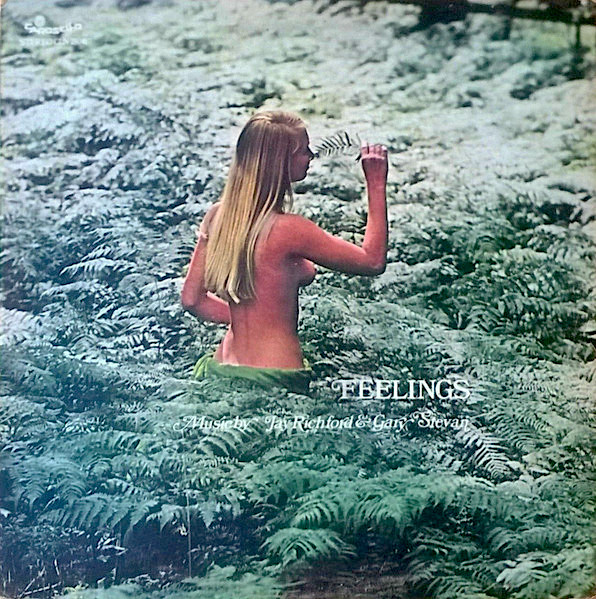
JAY RICHFORD & GARY STEVAN / FEELINGS

A lot of people consider this to the be the greatest library music record ever made. Released on Italian label Carosello in 1974, the pseudonym-attributed suite is actually the work of 4 musicians and composers – Sandro Brugnolini, Giancarlo Gazzani, Puccio Roelens (Jay Richford), and Stefano Torossi (Gary Stevan). The 10 tracks strut their stuff at the funk-ier end of the library music spectrum. Summoning wah-wah-licked chase scenes from popular ’70s TV cop shows.
JORGE LOPEZ RUIZ / EL GRITO

“El Grito” translates as “The Scream” and this album was Argentinian composer Jorge Lopez Ruiz’s protest against the corrupt and murderous military dictatorship that governed his country. Under the despot, Juan Carlos Ongania, any form of progress – assimilation of new, foreign, culture – was considered an act against the state. So here, Ruiz’ exploration of contemporary North America jazz was enough to have him branded a radical, and his records seen as potential seeds of social unrest – resulting in them being banned, confiscated, and burnt. In a manner very similar to the leaders of Tropicalia movement in neighbouring Brazil – exiled for embracing The Beatles and Hendrix – Ruiz’ vamping, creating a big band song cycle, based on themes reminiscent of Art Blakey’s Moanin’ and Miles Davis’ So What, borrowing from Henry Mancini, Leonard Bernstein and be bop, got him into a whole lot of hot water.
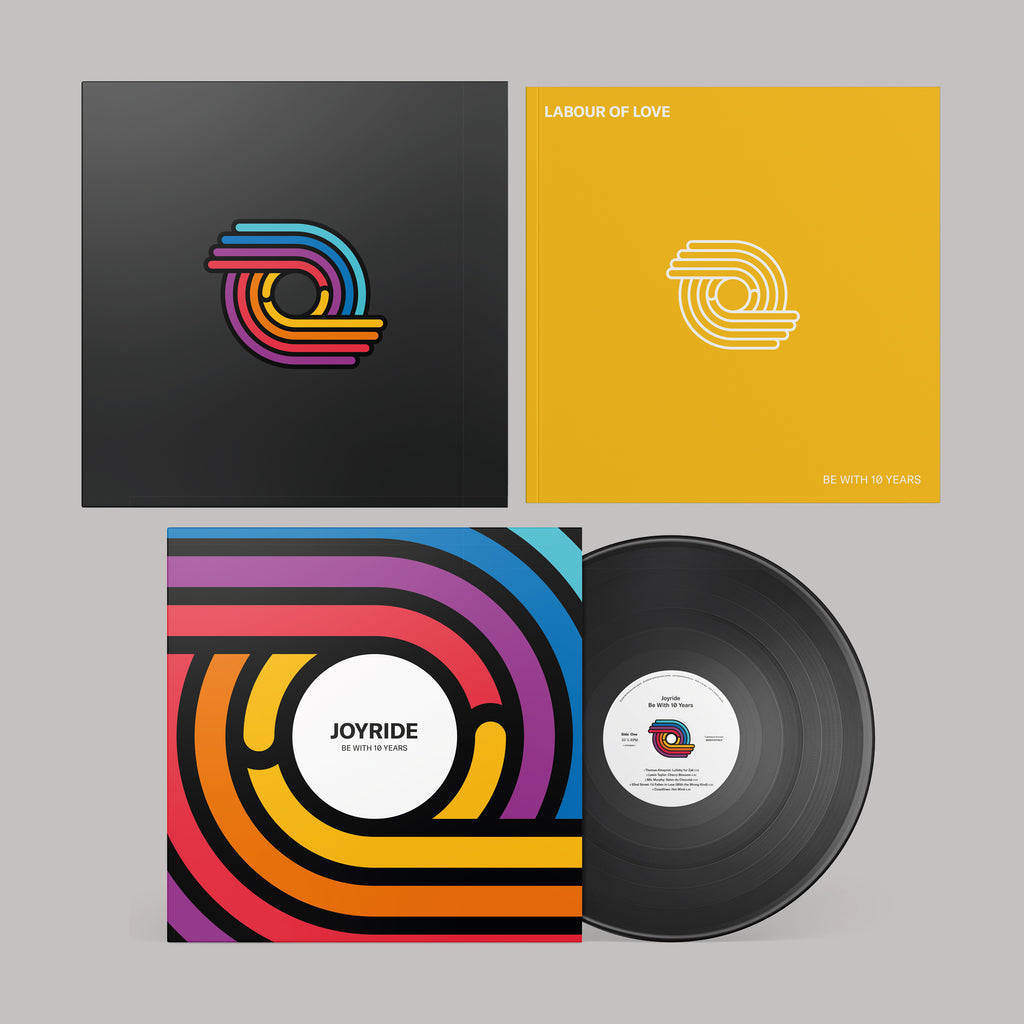
Be With Records’ 10th anniversary book and compilation can be preordered here.
Discover more from Ban Ban Ton Ton
Subscribe to get the latest posts sent to your email.
 Ban Ban Ton Ton