It’s no secret that Richard Norris is an expert in all shades of psychedelic music. He started his sonic education while still in his mid-teens, under the tutelage of Phil Smee and Martin “Cally” Callomon, the then owners of the Bam Caruso record label.
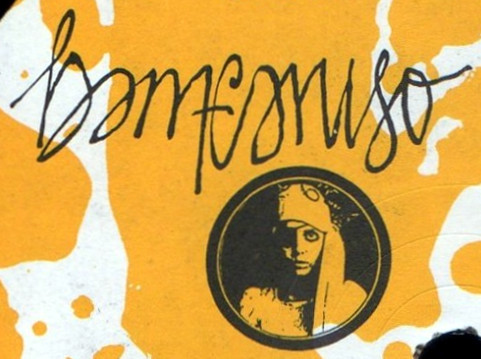
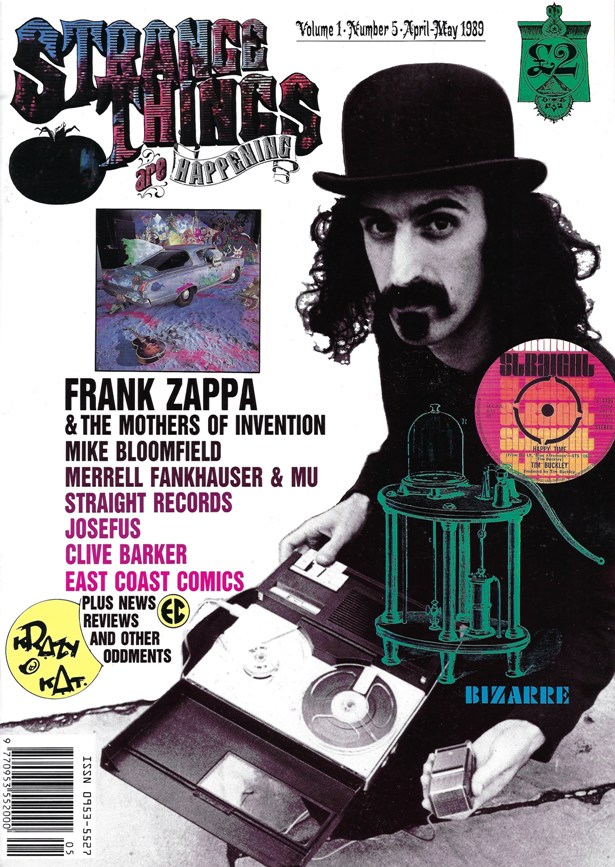
The imprint was established in 1981, with the aim of reissuing long lost 1960s “British Beat” obscurities, and also supporting contemporary artists inspired by these forgotten freak outs. Over a 10 year run their releases consisted of now sought after 7s and a 20 volume series of compilations called Rubble (1). Norris worked for Bam Caruso while still at school, and was part of the team that scoured second hand shops and record fairs, finding the treasures necessary to put these collections together. He helped out with art work and also promotion. Pestering the press offices of publications like The NME. Plus editing the associated magazine, Strange Things.
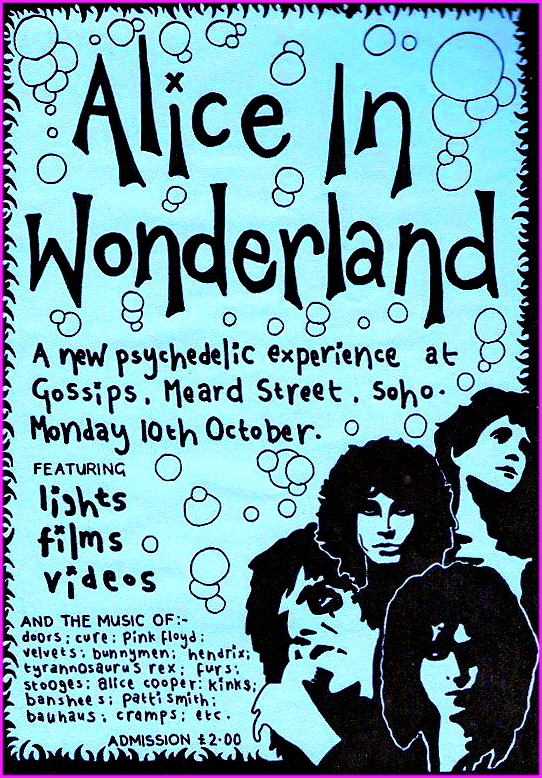
Smee was also one of the resident DJs at a club named Alice In Wonderland, held in a Soho basement named Gossips, and hosted by Christian Paris and Clive Jackson. The latter was the frontman of Doctor & The Medics. Norris was always in attendance, and sometimes helped out on the decks.
In 1988 Norris took a load of his rare “Freakbeat” records into the studio, with Psychic TV’s Genesis P-Orridge, where the pair set about making their own version of an acid house album. The resulting Jack The Tab was definitely not Chicago, and instead a mad, rough and ready mash-up of drum machines and cult 60s samples. Someone else central to those sessions was Soft Cell’s Dave Ball, and he and Norris then, famously, went on, all through the early 90s, to have both underground, dance floor and pop, chart-topping hits as The Grid.

A couple of decades later, Norris again employed his arcane aural knowledge, this time to a partnership with Erol Alkan. A collaboration that had the duo DJing psych, back to back at Catch in Shoreditch, and producing and remixing as Beyond The Wizard’s Sleeve. More often than not conjuring stuff with a souped up, spaced out 60s / 70s vibe.
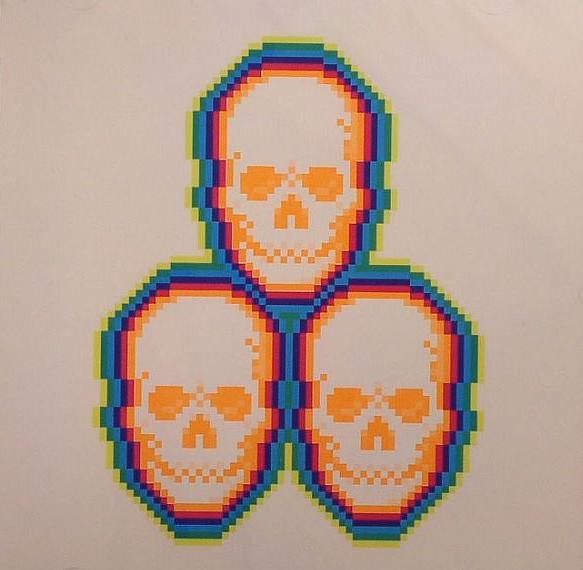
In 2022, Norris complied Deep In The Woods, 3 CDs worth of “Pastoral Psychedelia & Funky Folk”. At the start of this year, that was followed by a second volume, Magic Forest, and last autumn, Norris pulled together Weird Scenes From The Hangout, which documents the psychedelic club Norris hosted while studying at Liverpool University.

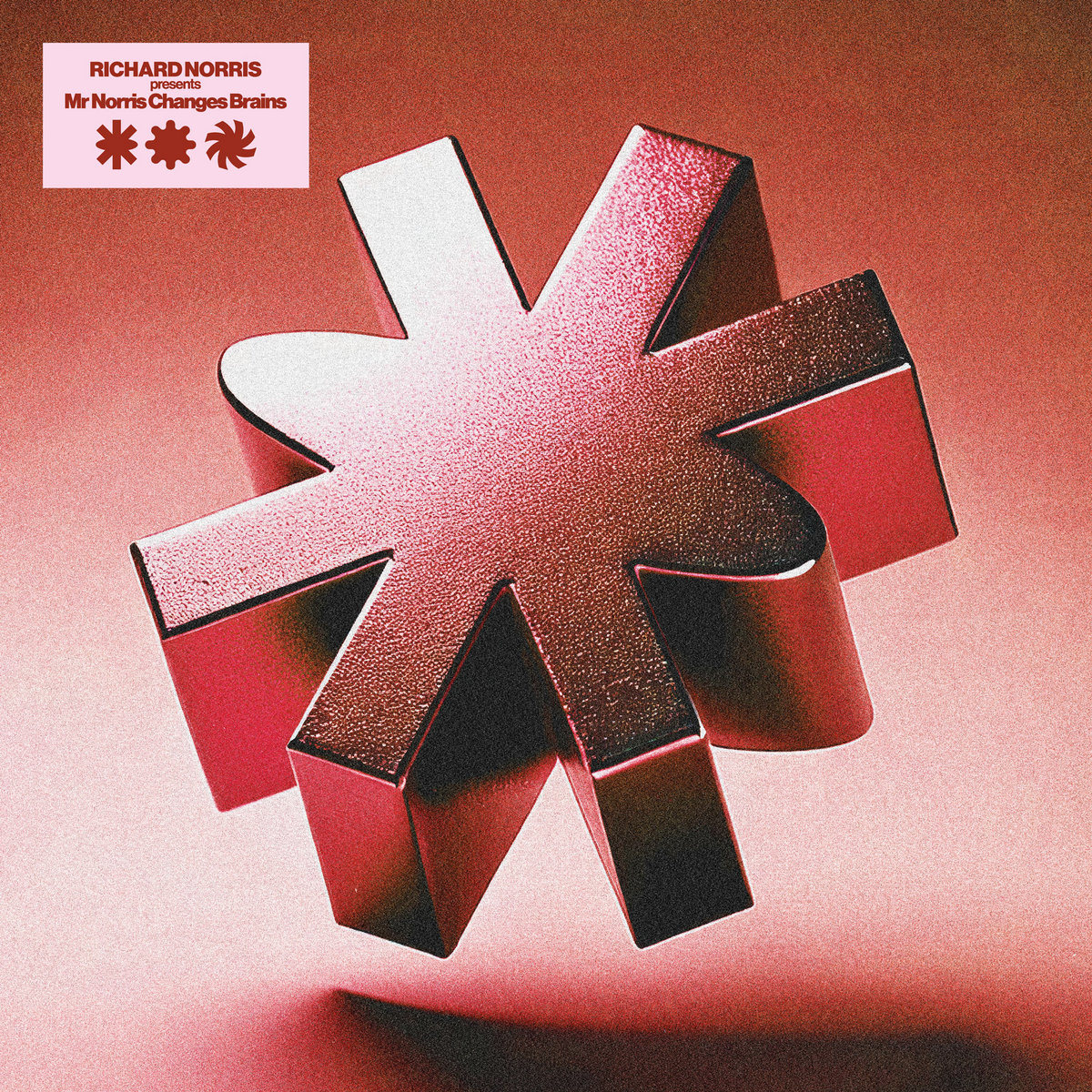
Norris’ now has a new compilation, Mr Norris Changes Brains, and it’s kind of incredible that, song-wise, there’s absolutely no overlap with any of these previous collections. There’s not a single bit of Rubble in sight 2). However, here the emphasis has shifted slightly. The time frame has jumped forward to the 1970s, and the net cast wider, further than Albion, to include European obscurities that Norris has picked up on his globetrotting trips. The staggering 42-track endeavour is divided into 3 separate “Chapters”. Each is sequenced like a mixtape made by a master (3).
Chapter 1 seamlessly segues between classic Californian harmonies and demonic fuzzbox riffing, frenzied strumming, screaming solos and raga guitar figures. There are big brass blasts, squawking saxes and mod organ grinds. Rhythms move from tribal, express train rumbles to axe-slashed, wicked wah-wah-ed and delay-drenched funk. Beneath its LSD-soaked fairy tale lyrics, Blonde On Blonde’s Castles In The Sky, for iinstance, contains a seriously sample-worthy boom bap break. Spencer Mac’s Ka-Ka Baya Mow-Mow’s nonsense chanting hits like some trippy, hippy love-in incantation. The Children’s Beautiful is a harpsichord and pizzicato ballad, with a waltz time string section. Norris edits Moebius & Beerbohm’s Doppelschnitt down from 20 (very) odd kosmische minutes into some badass, beat-y, bass-y, mutant mechanical disco. Another standout is Köy Kardeşler’s tumbling, Turkish Shürük. A spinning, spiralling shot of freakily phased psyche that sounds totally `70s, but was actually recorded and released only last year.
Chapter 2 opens with San Diego proto-metal-ers Iron Butterfly and might overall be a bit heavier than its predecessor, but it still manages to balance the head-banging, cymbal crashing, hammering with lighter lava-lamped, mini-skirted, kinky-booted go-go dancing numbers. Bernard Estardy’s Cha Tatch Ka, for example, is a brilliantly bonkers novelty record, whose insanely catchy gibberish could have easily been a smash in the pre-E Balearics.
Rare Bird‘s Devil’s High Concern is an out of control psychedelic stomp with lyrics like a mix of Lewis Carroll and Dennis Wheatley. Paul St. John tells a tale of ancient alien contact. Kate‘s Shout It is a petal-powered protest song. White Trash sound like Joe Cocker at Woodstock.
Chris Hodge’s We’re On Our Way is full of conga-d Ennio Morricone-esque drama. Ugo Busoni’s Rullio is a ringer for a funky, electronic Giallo score. Again there are a couple of newer tracks. 62 Miles From Space come from the same sonic school as Stereolab, Broadcast and Death & Vanilla. Juantrip trades in his scary techno for a terrific twanging tremolo-d tribute to Hank Marvin and Love Potion #9.
Chapter 3, if anything, is folkier. The Pretty Things’ The Sun and Poll’s Psachno Na Vro To Filo Mou are both prog-y ballads, while A To Austr’s Thumbquake & Earthscrew is a whirling, wheezing, extravagantly, eccentrically echoed free-form, let-it-all-hang-out racket. Relatively Clean Rivers’ Journey Through The Valley Of O features a howling harmonica. The Advancement combine choir boys and cool vibraphone.
DAVE’s In My Mind is a far-out, fuzzy, Syd Barrett-esque nursery rhyme. André Brasseur’s Saturnus races, rockets on pace-y, hippy happening, drum circle percussion, like an outtake from Pink Floyd’s soundtrack for Barbet Schroeder’s cult White Isle movie, More.
NOTES
(1) The title Rubble was no doubt a tongue-in-cheek reference to Lenny Kaye’s seminal, hugely influential, garage / psyche collection, Nuggets, and also the Pebbles series that followed in its wake.
(2) Norris’s vinyl stash must have been staggering, although he sold 80% of them a few years ago.
(3) The compilation’s title is a play on the Christopher Isherwood book, Mr Norris Changes Trains.
Mr Norris Changes Brains can be ordered in a variety of formats, and instalments, directly from Eskimo Recordings.
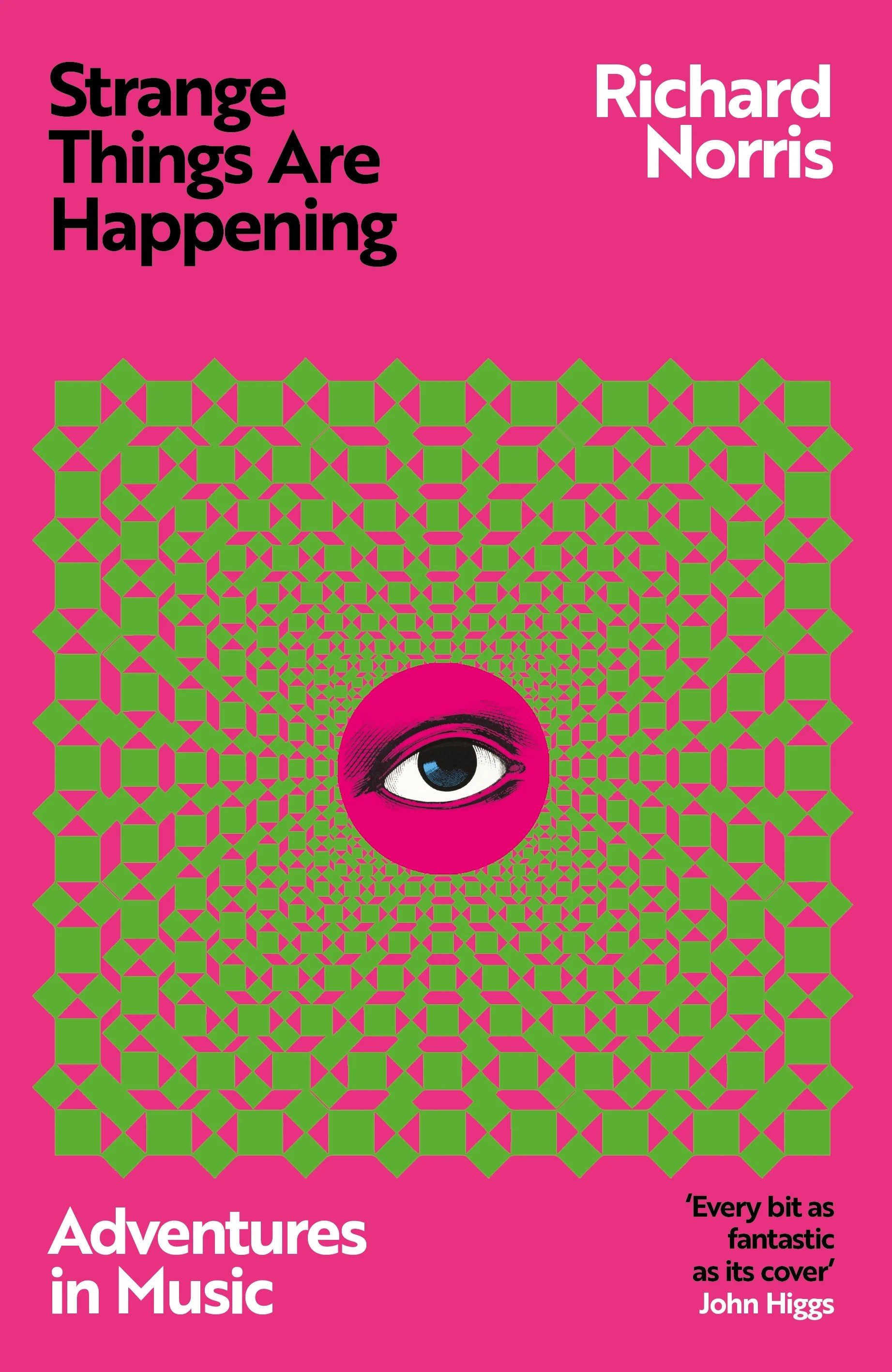
To get the full, fascinating story of Mr Norris’s psychedelic ride, pick up a copy of his magical memoir, Strange Things Are Happening.
One of the questions I now wish I’d asked Richard when I had the opportunity was what he made of Roger “The Hippie” Beard’s psychedelic rock sets at acid house / Balearic Beat clubs Spectrum and Land Of Oz.
Discover more from Ban Ban Ton Ton
Subscribe to get the latest posts sent to your email.
 Ban Ban Ton Ton