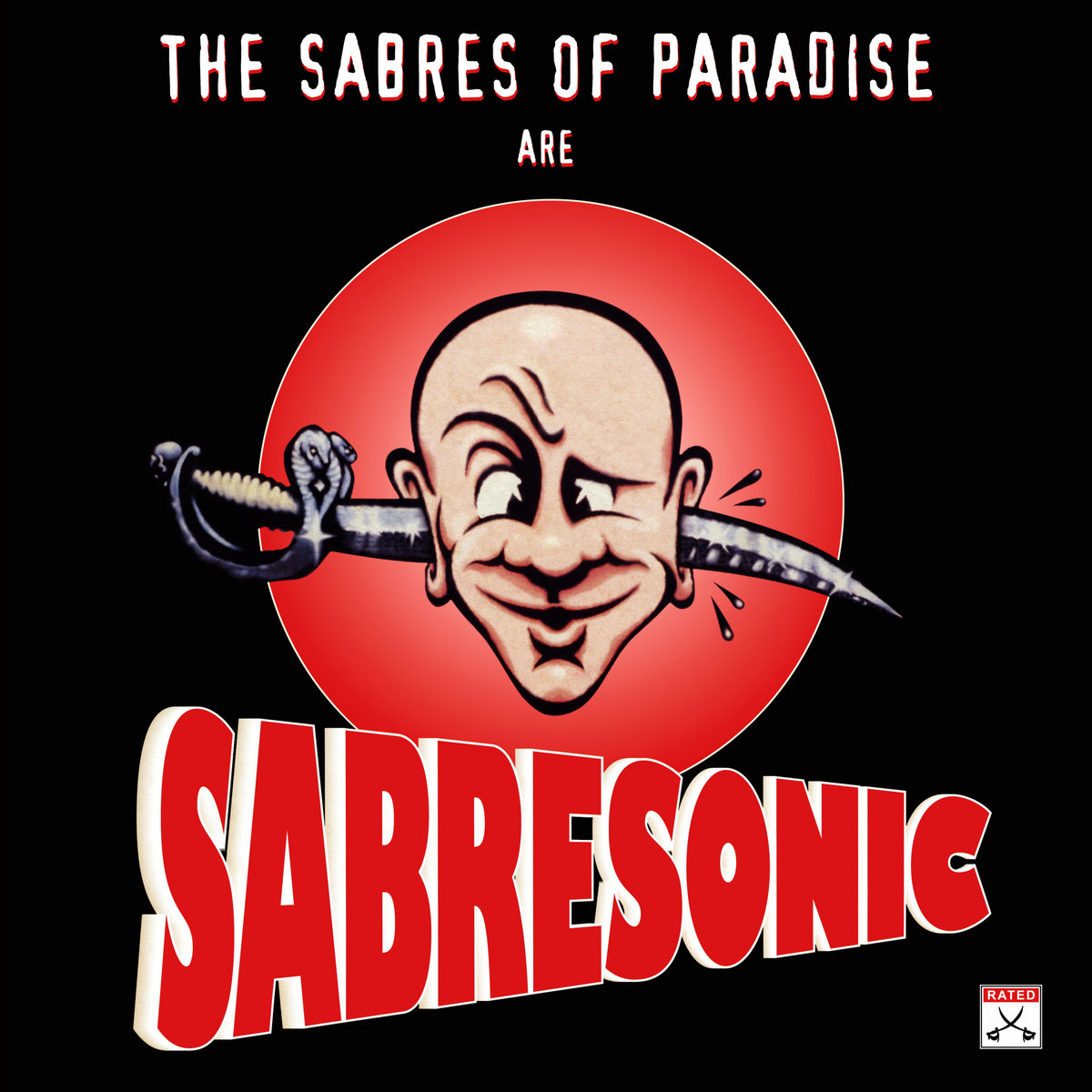
“A metallic clattering and clanking continues for an age before the kick finally comes in. Tabla and timbales increasing the transcendent vibe…” This is how Still Fighting begins, setting the scene for the Sabres Of Paradise LP, Sabresonic. This track got its public debut when Andrew Weatherall played the tune during his “Giving It Up” sessions on the then pirate radio station Kiss FM. As it rattled away, like the outfit’s titular swords, he talked about walking the vast halls of The Sabresonic Studio, which we all knew in reality was a room above a music shop on a Hounslow “Flightpath” estate. Even then you could tell it was a new take on Primal Scream’s Don’t Fight It, Feel It (1). Sirens sound, the rhythm rapidly accelerating. Denise Johnston’s diva still in there, but distant and ethereal. Thunder cracks punctuating the tribal thumping, which builds layer by layer. Acidic, sulphuric squiggling replacing the OG’s whistling and everything is chopped in and out with a live, lithe, ecstatic energy (2).
Smokebelch I changes tack. Grumbling and growling, industrially. Its rubbery, reverb rich, B-line measuring out a march, rather than a race. As a flute-like melody takes hold, the drums are messed with. Stopping and starting without losing the beat. Dark and echoed, heavily, it too was the sound of the dungeon beneath London Bridge, where Weatherall hosted his weekly party.
Clock Factory is slower, and darker still. Ambient, “illbient”, sinister, slithering and unsettling atmospheric. If folks were buying the album based on Weatherall’s previous work, and expecting a Balearic Beat disco biscuit-fuelled beano, they were in for a serious shock. It was certainly not a non-stop dance-athon, and his transformation here was akin to The Sex Pistols reborn as PiL. Clock Factory isn’t an interlude, it’s the LP’s longest track. The timepieces of the title have their chimes stretched backwards, and a key reference point is the occult axis of Throbbing Gristle, Psychic TV, Coil and Chris & Cosey. It also bears the influence of Cabaret Voltaire and Richard H. Kirk’s claustrophobic observations on dystopian surveillance culture. Only for the headstrong, and the stuff of potentially bad trips, its shadows are stuffed with details like butchers blades being sharpened and bowed saws emitting theremin-esque shrieks (3).
Ano Electro comes in two parts. The first, Andante, is a severely sedated shot of dub. Its earthshaking riddim like the footfalls of a moonwalking giant. The machines in charge of the bottom end mimicking Jah Wobble mimicking Sly & Robbie. The result somewhere between Meat Beat Manifesto and Fini Tribe / Chris Connelly. The second, Allegro, is speedy, squelchy techno, which sounds like the other spun at 45 not 33 (4). A move away from Sabresonic’s slightly menacing vibe, its pretty melodies are recall IDM’s intricacies, although the trio then also rip the piss out of that genre with another track, titled Inter-Lergen-Ten-ko – a deliberate misspelling / mispronunciation of “Intelligent Techno”, powered by percussive heavy breathing – a al Kraftwerk’s Tour De France – conga / bongo loops, buzzing feedback and a groovy bass-line (5).
RSD started life as something commissioned for a Jamaican beer ad. Fittingly, it’s a breakbeat-bashed tribute to dub pioneer King Tubby, with bionic brass blasts, programmed panpipes, and angelic sighs that could have come from One Dove’s Dot Allison (6).
When Sabresonic was originally released, in the autumn of 1993, the final track on the vinyl was Ano Electro Allegro. However, the newly remastered repress now, like the OG CD, features the beatless mix of Smokebelch II for a finale (7). A complex, careful arrangement, where delicate circuitry doubles for celestial entities, gentle guitar picking, orchestral strings and shooting stars, it amounts to computerised classical chamber music. Something that has since been comped countless times on chill out collections (8), it provides the album with a moving conclusion. The song was always introspective, the sort of thing that got refreshed ravers lost in an inner montage of personal daydreams and memories, however, with Weatherall’s passing it has also taken on a more universal significance. An epitaph for a fallen icon.
The remastered, reissued Sabresonic can be ordered directly from Warp.

NOTES
(1) I’d read somewhere that Bobby Gillespie was originally unhappy with Weatherall’s “Scat Mix”, basically because he wasn’t on it. The label that Weatherall co-founded, Boy’s Own, had offered to buy the remix from Creation and put it out themselves. I wondered if “Still Fighting” had also been rejected.
(2) Very much like Underworld’s classic Dub Extravaganza mix of Shakespear’s Sister’s Black Sky.
(3) It’s kind of like Mystic Institute’s Ob-Selon Mi-Nos’ evil twin, and also bears the influence of In The Nursery who provided the parts – strings, martial drumming and things – to The Sabres’ anthem Smokebelch II.
(4) I wonder if this was a nod to Neu!, who on their 1973 LP, Neu! 2, messed with the speeds of the tracks Neuschnee and Super.
(5) The Sabresonic Studio had a very distinctive sound, and elements of this track echo the remixes that the trio completed for Yello, Moody Boyz and Future Sound Of London. Similarly some of the sonics on Ano Electro Allegro also appear in their reworks of Bjork.
(6) Although the One Dove album wasn’t released until much later, it was actually among the first things that the three friends worked on together, back in 1991.
(7) initial copies of the vinyl came with the beatless mix of Smokebelch II on a bonus 7. The CD came with a slipmat – which was CD-sized. A piss-take. The Lizard was very disappointed, and it did make me laugh. It’d make a cool drink coaster now.
(8) The first person to do this was Cafe del Mar’s then crown King Of The Sunset, Jose Padilla.
Discover more from Ban Ban Ton Ton
Subscribe to get the latest posts sent to your email.
 Ban Ban Ton Ton