For a long time Form@ Records was something of a secret. A small label, a labour of love, run out of Tokyo, with carefully curated CDs, that were only ever released domestically. Somehow, however, word eventually got round and collectors of classic electronica worldwide began tracking down these treasures. Then in 2024 Jamie Tiller and Eiji Taniguchi included a couple of Form@ tunes on their essential Virtual Dreams II compilation. This was quickly followed by a 12 from Nik Weston’s Mukatsuku. Both of these releases massively raised the Form@ profile, and happily led to a more comprehensive vinyl reissue program with WRWTFWW. Here, Form@ founder Eisei Yorimitsu talks about the imprint’s past, present and future.
A big thank you to Yasutaka Sato aka Virgo for the introduction.
When and why did you start the label?
In 1994, together with a friend I was working with at the time, I started a label called μ-NEX. This was a cassette label, and we released all kinds of music, such as pop, rock, and technopop.
In 1996, I ended up managing the label on my own, so I decided to narrow the focus a bit and start again with a more defined direction. During the first year, while searching for the label’s identity, I still released only tapes. Even then, though, I was working with Souther and Tensor, who later appeared on the Art Form compilation series.
Was there a particular event, or piece of music that inspired you to start?
Where I was working, I had a junior colleague, Akira Yamamoto, who was making music under the alias, PENANCE. When I found out that he had an album won’s worth of music ready, this became the first release on FORM@ RECORDS. This also triggered the switch to CDs.
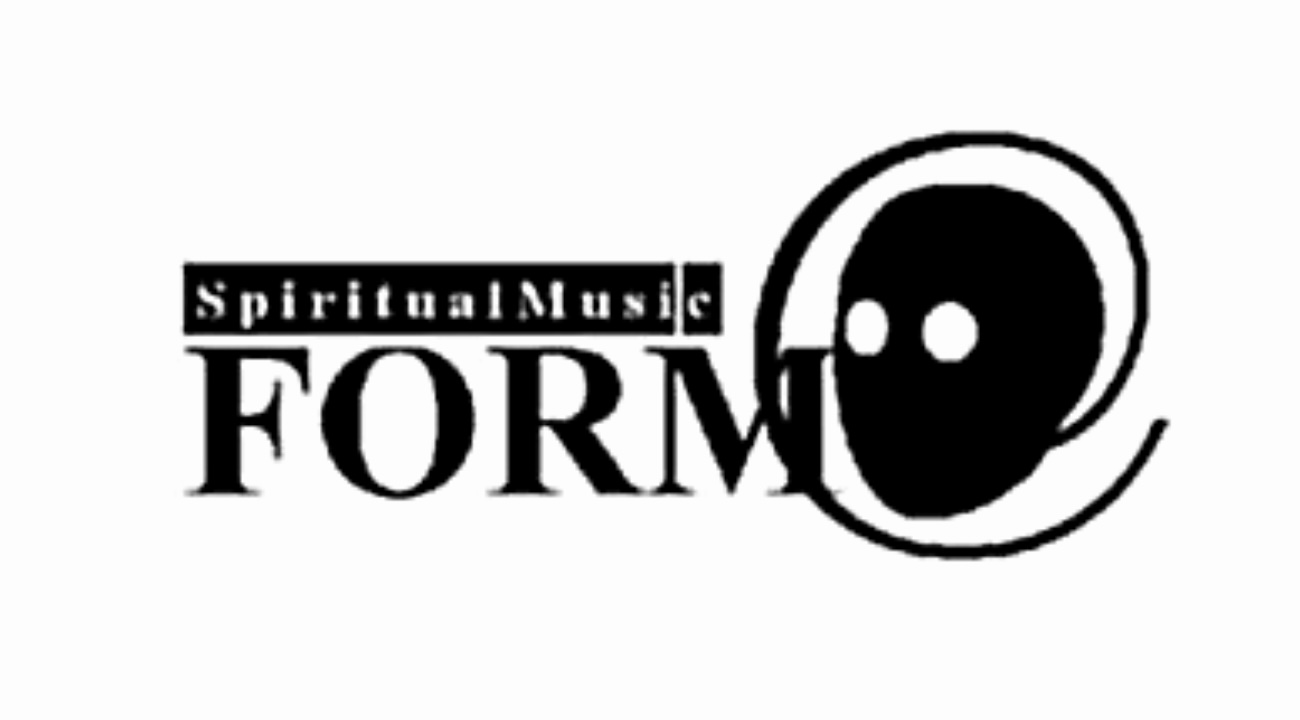
His album, Cure Of Soul, as the title suggests, was based on ambient and healing music, with a slight element of trance – and was a bit different from the kind of music currently released on FORM@. In the early days, FORM@ even had a different logo, which included the phrase “Spiritual Music.” I used this up until Virgo’s second release, Remnants.
What directly led to the current direction of FORM@ was Virgo’s track “First Epilogue,” which was included on Art Form 1. I’d already heard this track back when the label was releasing music on cassette, and even then I strongly felt that I absolutely wanted to release it.
What music were you listening to?
When I was a child, I listened to Japanese city pop and idol music, things that are now experiencing a worldwide revival. However, when I discovered Yellow Magic Orchestra during junior high school, I started listening to technopop and new wave. Around 1990, like many others, I eagerly collected Detroit techno and Warp’s Artificial Intelligence series. I was quite a collector.
What clubs and parties were you going to?
At the time of Warp’s AI series – the genre was not yet called IDM, but it was often referred to as “intelligent techno”, “pure techno”, or “bedroom techno”. I also thought of it as “techno for listening,” so I didn’t go to clubs or parties.
How did you find music for the label?
When I started FORM@, the internet existed, but search engines and social media were not as developed as they are today. Instead, Bulletin Board Systems, or BBS, which required connecting via modem, were still the main way people communicated online. So I used BBS message boards to look for artists.
Did you also receive demos?
When I was putting together the first compilation Art Form 1, I received a lot of demos. I don’t really do this much now, but back then I sometimes gave advice on the demos and asked the artists to revise their tracks.
Did you make music yourself?
When I was running μ-NEX, I made two tracks. I also formed a unit called ISO9000 with PENANCE, and we made just two tracks that were released on cassette. The music might have been closer to house or breakbeats. However, it seems that I don’t really a talent for making music, so after starting FORM@ I decided to focus on being a director and producer instead.
That said, I still have a DAW setup and the environment to make music even now, so sometimes I think it would be nice if I could quietly release something myself someday.
Did the albums sell well in Japan?
The early days of FORM@ were very difficult. I wasn’t used to promotion, and it was a case of an unknown label releasing music by unknown artists – so I guess this was only natural.
However, the third release, Virgo’s first album Landform Code, received a great deal of attention. It even ranked on the indie charts in Japanese club music magazines and in some record shops. Virgo was interviewed by these magazines, and I myself also began writing a regular column as a reviewer for a club music magazine.
Were the albums available outside of Japan?
The CDs I released in the 1990s were distributed only within Japan. There were no platforms like Bandcamp, and there was basically no practical way from Japan to sell music worldwide. However, some overseas fans found us through Discogs, or the FORM@ website, and contacted us directly, so I occasionally sold CDs to them individually.
Did you host any Form@ parties or events?
Not yet. There have been several occasions where FORM@ artists participated in events organised by other labels, and someday, I would like to organise one myself.
Were the artists on the label a close knit community?
The sense of unity wasn’t particularly strong. It felt more like each artist existed independently rather than as part of a tightly connected group. There also wasn’t much interaction with other labels. FORM@ RECORDS was rather niche, known only to those who had sought it out. It was a bit of a secret. Perhaps it still is even now.
Did everyone, like yourself, live in Tokyo?
I think most of them were from Tokyo or the surrounding area, but there were also a few from Osaka.
The label was active, initially, between 1996 and 2003. Why did you stop?
That’s not quite right. The label actually went into hiatus after the remix compilation Re-Form ver-1.0, which was released in 1999. At that time, sales were honestly quite difficult, and my musical tastes had started to change a little.
Then in 2003, almost on a whim, I revived the label with a compilation called Warm Seeds. Except for Virgo, all the artists on it were new. I think this reflected my growing interest in electronica and glitch. However, after that album I decided to pause the label’s activities again.
How did you connect with WRWTFWW?
After Virgo’s first album Landform Code became known among core fans, I began receiving requests from all over the world asking for a vinyl version of the album. However, FORM@ didn’t have the capacity to handle something like that at the time. Once the album started being distributed digitally, those requests increased even more.
In recent years, a lot of underground Japanese techno from the 1990s has been re-released worldwide, so I thought there might be a label willing to put Landform Code out on vinyl and I approached a few of them. All of the labels responded very positively and showed interest, but the one that offered to reissue both the Virgo album and the Art Form series was WRWTFWW. It might have seemed like an unexpected choice from a techno perspective, but they are professionals when it comes to reissues, and the remastering and cutting turned out to be top quality.
Are there any more reissues planned?
In April, a vinyl EP cut from Virgo’s Unreleased 1996–2000 will be released by Mukatsuku Records in the UK. Another EP cut from the same album may also be released this autumn.
FORM@ relaunched in 2020. Are you focused on reissues or new music?
In 2020 I was only planning to distribute old titles on Bandcamp, and I had no intention at all of releasing new music. However, in 2024 I had the opportunity to reconnect with Virgo after a long time, and I learned that he had enough material for a new album. When I heard that, I thought it would be a good idea to officially restart the label.
Since then, while I am working with other labels on reissues, I’m more interested in releasing new works and discovering new artists for the label. I know that FORM@ is strongly associated with IDM and that people expect that from the label, but basically I try to trust my own sensibility when deciding what to release.
Could you please tell me more about Darren Nye and Rai Mondo? How did Form@ come to release music by these artists?
I met Darren Nye after FORM@ was fully restarted in 2024. I think it started when he sent me a message saying that he liked Virgo’s music. He is also a big fan of Japan, so we began exchanging information not only about music but also about various cultural topics. At the same time, I learned that he runs his own label, SpaceTime Recordings, so I invited him to release something on FORM@. Through Darren, I also got to know artists such as Fragmented Soul and Spin Fidelity.
I think Rai Mondo sent a demo to the label. Even now, the label receives many demos. Since the restart, quite a number of artists who submitted demos have ended up releasing on the label, and that resulted in the compilations Art Form 4 and SLIT ART 1. Rai Mondo’s work is very detailed and structured. So far he hasn’t been released on any other labels, but I hope his music will gain more recognition in the future.
You can find the FORM@ RECORDINGS digital catalogue over on Bandcamp. For quality vinyl reissues check WRWTFWW.
Discover more from Ban Ban Ton Ton
Subscribe to get the latest posts sent to your email.


One thought on “Interview / Eisei Yorimitsu / FORM@ Records”