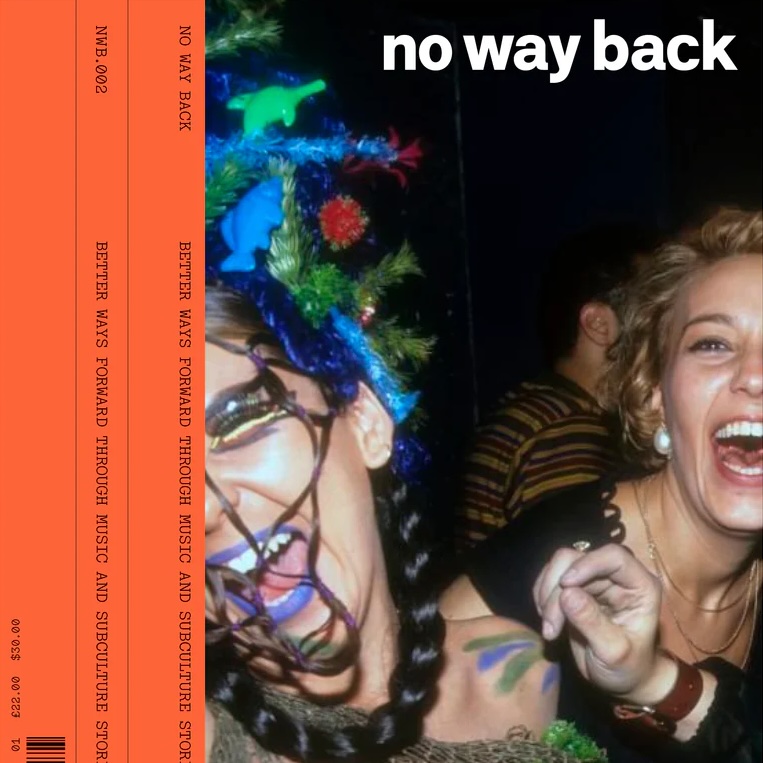
Launched in July of last year No Way Back is a music and culture magazine curated by Andy Crysell and Mark Maddox. The two friends have a huge amount of experience within the music and media industry, that began with roles at Blues & Soul, DJ, DMC, The Face, i-D, Muzik, and The NME.
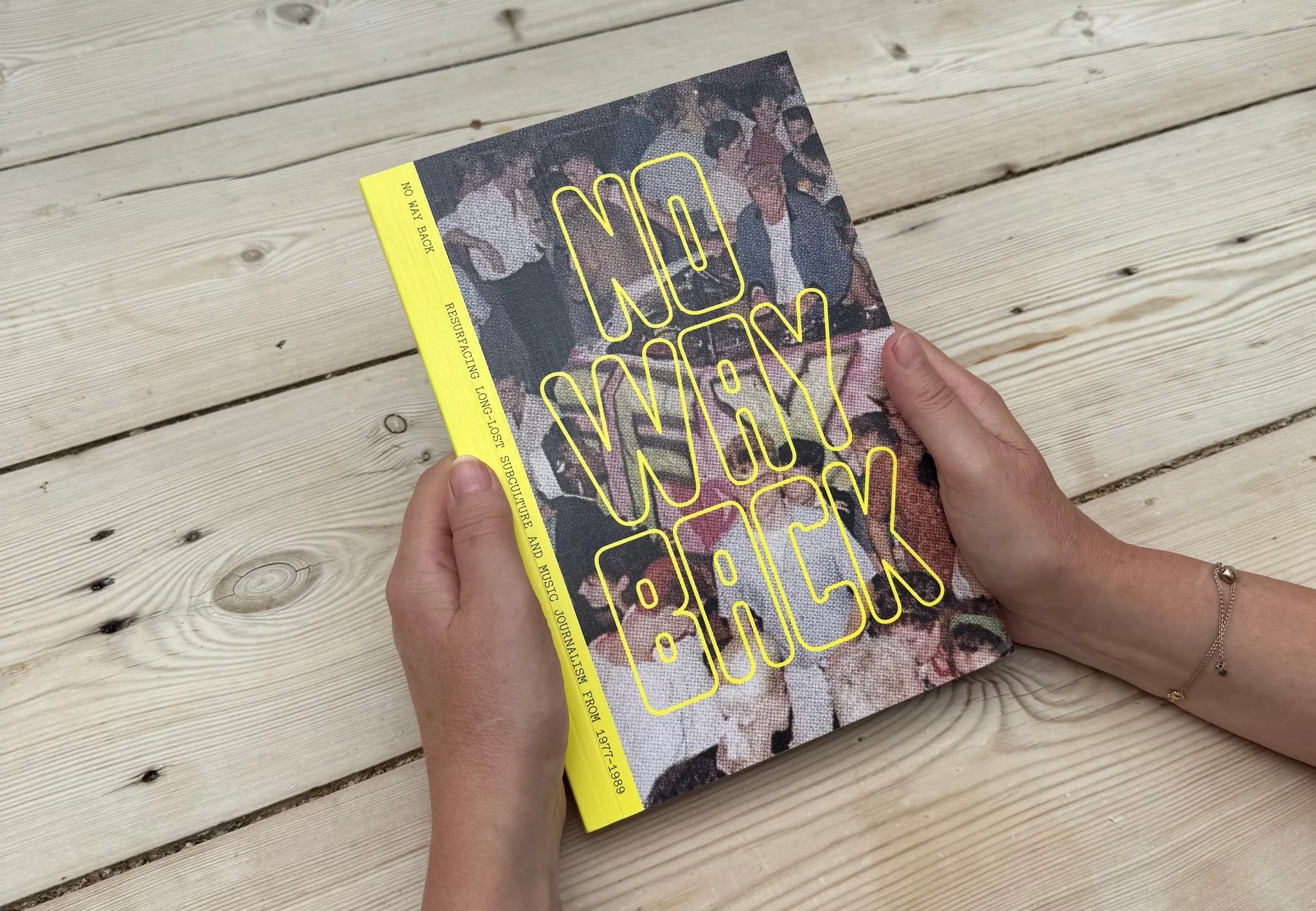
Issue 1 ran with the tag line “Better ways forward through music and subculture stories” and did exactly what it said on the tin – carefully compiling key archival articles from an exhaustive range of seminal publications – many of which were short-lived, most of which have since been lost.
The texts themselves captured scenes before they were scenes, movements as they were emerging, in enthusiastic prose, and by preserving the original typography and layouts the magazine also allowed readers to see the nature of style magazines evolve.
The first volume featured The Village Voice on graffiti, The New Statesman on Soul II Soul, and London’s then leading pirate radio station, Kiss FM. John Savage covers NYC vogue and ballroom culture for The Observer. Cherry picking across decades of dance music journalism, the magazine, more like a book, took in Smash Hits and Davids Litchfield and Bailey’s Ritz. Spandau Ballet in could be found in Sounds and Arthur Baker in The NME.
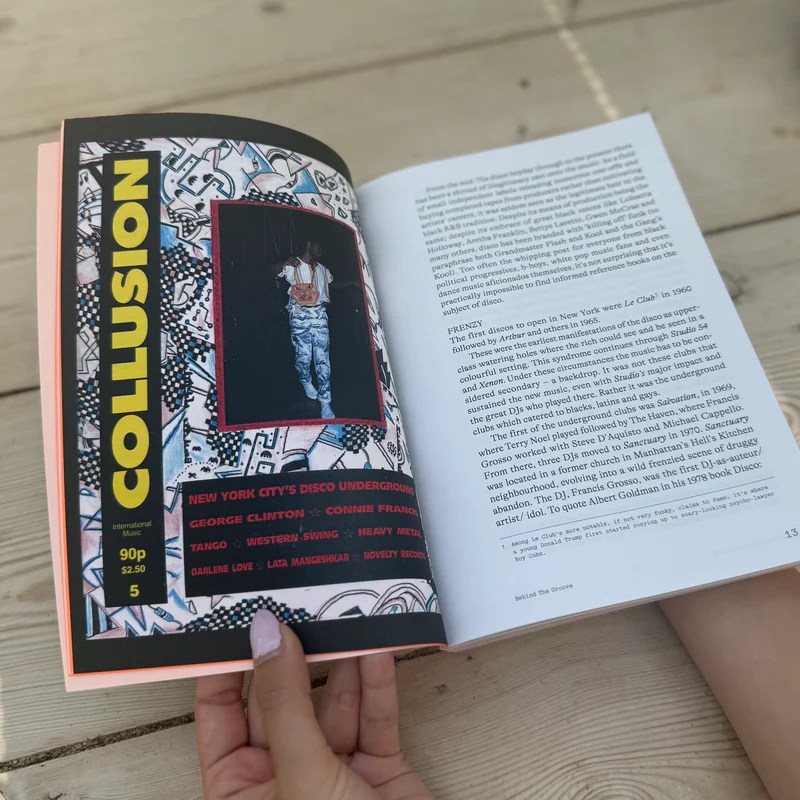
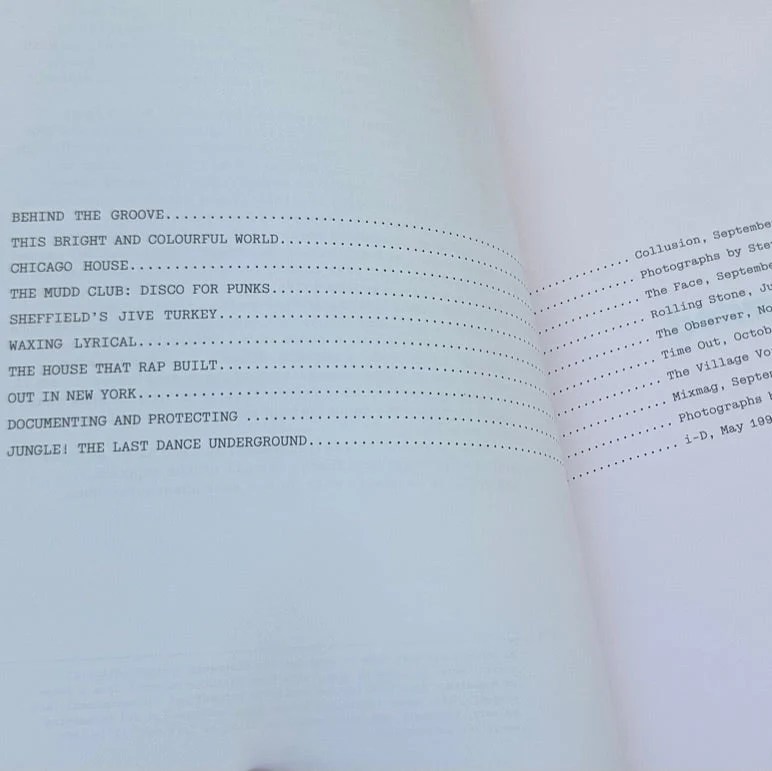
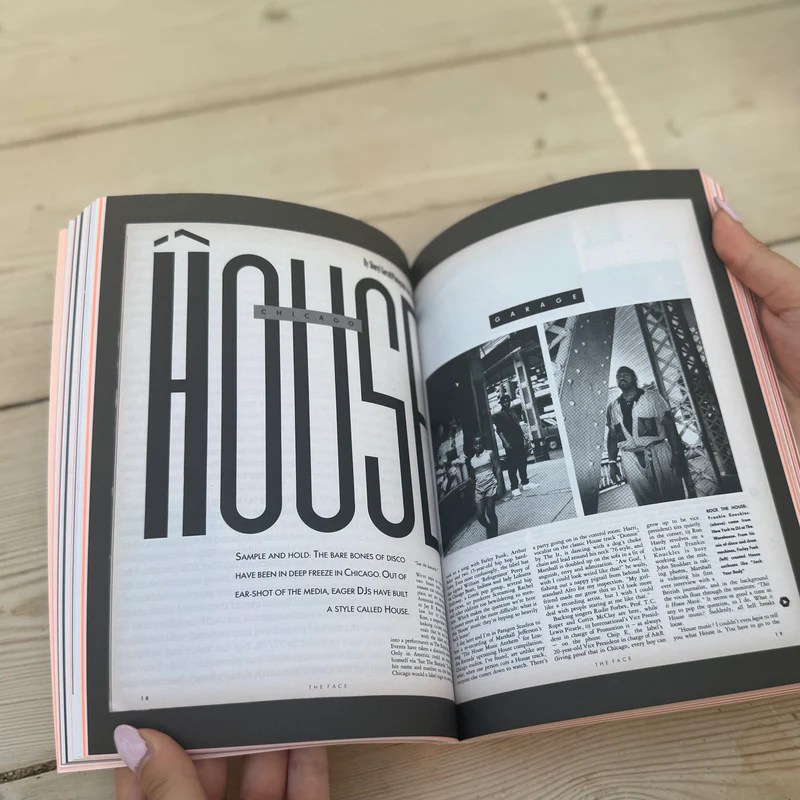
Issue 2 is now good to go and includes Sheryl Garratt discovering Chicago house in The Face, Kodwo Eshun putting jungle into social context for i-D and Steven Harvey in David Toop‘s Collusion on New York’s disco underground. There’s some Savage again, this time on Sheffield’s Jive Turkey and Frank Broughton visits The Sound Factory. Plus a whole, whole lot more.
Boy’s Own recently interviewed No Way Back co-founder Andy Crysell about his background, but here Andy focuses on the magazine itself.
What was it that inspired you to start No Way Back?
I’d just sold up and left the insight and strategy agency I’d been running for 16 years. I had time on my hands and not much certainty over what to do next – which was exciting and perplexing in equal measure. I just went down a bit of a wormhole really, exploring old magazine editorial – I mean, I’ve always done a lot of that anyway, but now I could do even more of it.
I started knocking the No Way Back idea around – the title came early – a nod to the Adonis track – but also nicely contrary for something that’s about revisiting back stories. I introduced it to Mark, and we decided to collaborate on it.
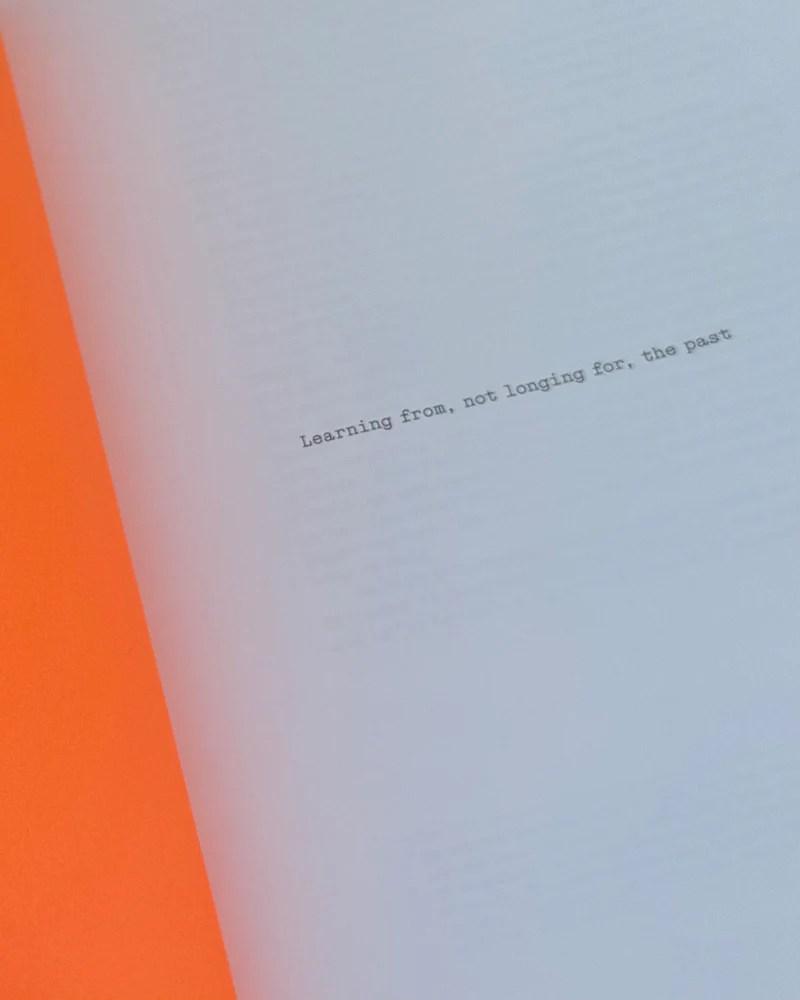
The root of it really is telling stories about the past in thoughtful and imaginative ways. Nostalgia is everywhere these days, and it clearly means a lot to a lot of people; whether they were there to witness it firsthand or not. But it can also be something of a dirty word – often seen as a retreat from progress, about ‘better in my day’ bitterness. We’ve been using the strapline ‘learning from, not longing for, the past’ to make clear this is as much about what carries forward from here as revelling in the past, or suggesting there was this one ‘golden era’ and nothing more.
There’s also something quite fascinating about reading about these breakthrough events in their rawest form. It’s what comes before anyone has the remotest clue what long and remarkable trajectories these genres and art forms will take, before endless layers of post-rationalisation have kicked in. These writers and photographers are just capturing what they see in front of them, with no idea that people would be obsessing over this stuff decades later.
Platforms and algorithms tend to strip culture of sequence and context. Re-telling these stories helps rebuild the threads that gave them meaning in the first place. It’s also an opportunity to highlight true pioneers. As music and independent creativity get commoditised, a lot of the originators – particularly those from marginalised communities – get pushed to the margins of their own stories.
How did you meet and come to work with Mark?
There’s quite a lot of overlap in our backgrounds. In experiences growing up and then when I was writing for mags like The Face, NME, i-D, Muzik and DJ, he was more on the business side at Blues & Soul and DMC. I’m pretty sure we must’ve been in the same room as each other a few times in the 1990s, but we didn’t get chatting until the early 2000s.
Around then, he had an early online radio platform called Burn It Blue and I was editor at Ammo City, a music/culture website that Richard Norris from The Grid, Sean McLusky and others were involved in. After that, me and Mark both found ourselves running agencies doing similar work in youth culture, music and early digital – back when brands seemed to let you get away with doing more fun and inventive stuff.
Was it a visit to your parents’ loft and rediscovering a cache of hoarded magazines that’s fuelling No Way Back, or did you stumble upon someone else’s collection?
The breadth and depth of your content suggests that you have access to a huge archive. Is this the case, and if so how on Earth do you decide what to include in each issue?
I’ve certainly got quite the stash of magazines in the loft, but really it’s been about drawing from multiple sources. Lots of searching around online, as you’d imagine, plus there are some good databases and libraries to call upon – both digital ones and physical ones in London and New York.
I wouldn’t say there’s been too rigid a formula for deciding what goes in each issue. The specific start and finish dates of each issue have been pretty arbitrary – 1977-1989 for issue one, 1979-1997 for issue two – but of course these were particularly fertile periods for cultural shifts and breakthroughs in music – and the art, design, fashion and so on surrounding that music.
With both issues, we’ve started off with a couple of pieces that feel important to us to include, that anchor us in something with substance, and then we’ve added the right blend of other material from there. Striking some kind of balance between coherence and diversity; making sure there’s a good flow, that type of thing.
Were there any articles in particular that inspired you and Mark?
Coming to mind from the first issue: the Kraftwerk piece in Ritz; a strange kind of prototype style publication; Neil Tennant writing about the Mud Club in Smash Hits; Jamel Shabazz’s incredibly positive photography depicting young people and community in 1980s Bronx and Brooklyn; and a Spandau Ballet feature in Sounds which reads more like a manifesto for working class creativity than a pop interview.
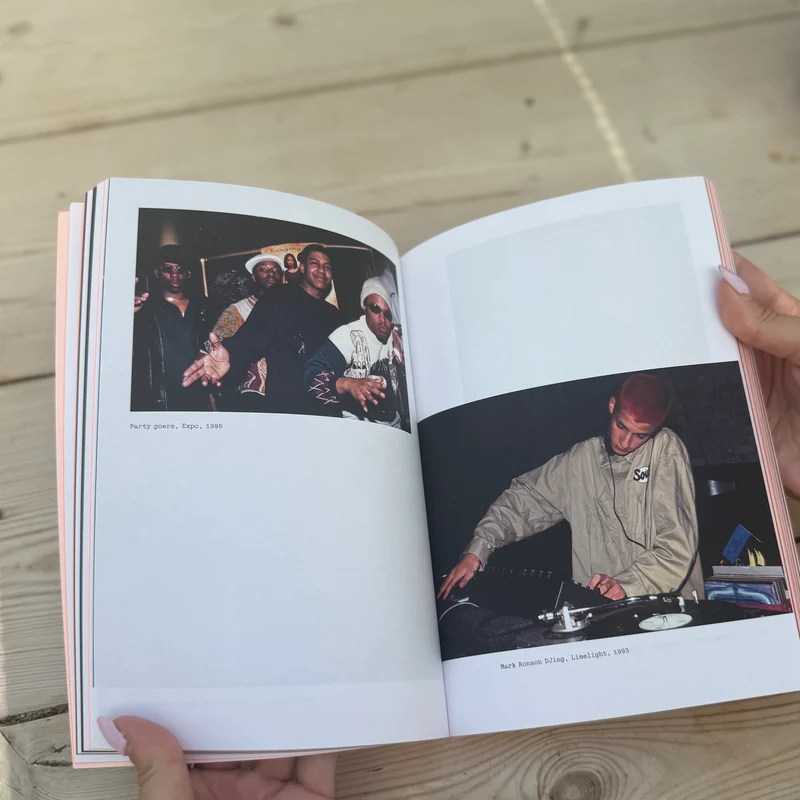
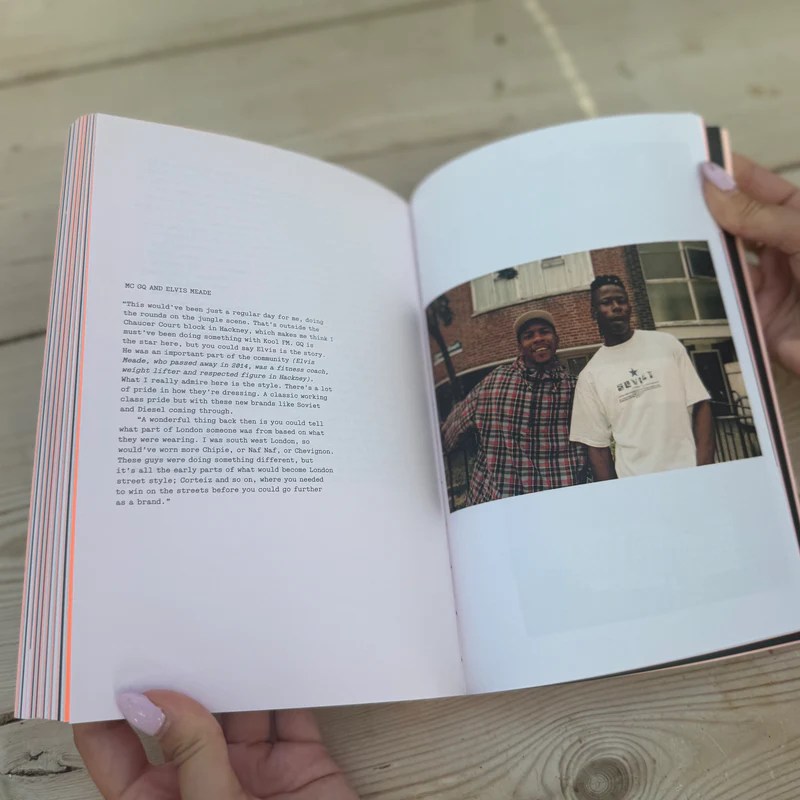
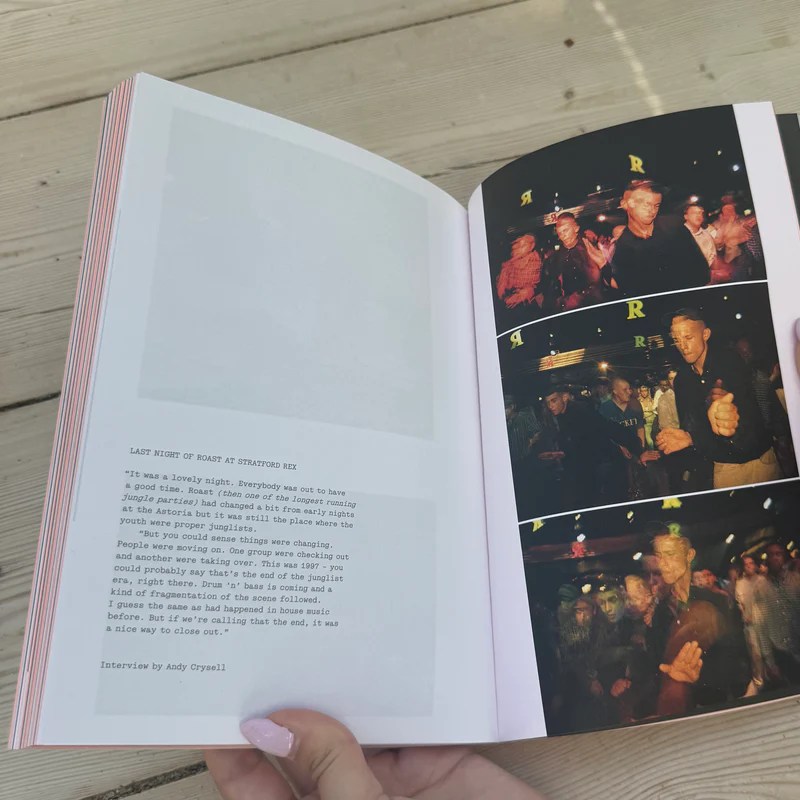
In the second issue, we’ve got photography from Eddie Otchere. It perfectly captures a moment in jungle, but his commentary also talks about gentrification, how street style is evolving, and the importance of protecting scenes from outside interference. We’ve also got a shoot from Steve Eichner, covering the NYC club kids movement. That one’s interesting for me in part because I remember hearing about that scene back then, and how alien it seemed compared to the type of clubbing experiences I was having in London.
We’ve also got what feel like really key pieces from The Face’s Sheryl Garratt and Kodwo Eshun in i-D, depicting pivotal times in house and jungle respectively. In Sheryl’s one she visits Ron Hardy’s Muzic Box with Frankie Knuckles in 1986 – how wild is that?! Kodwo’s one paints a pretty dark picture of life in the 1990s, how jungle was representative of that; and has you thinking there’s nothing much new about the modern day phenomenon for thinking the world is fucked. There’s also a piece from Village Voice contemplating that brief moment, all of 12 months, where it looked like hip-house might take over the world – shame that never happened.
And perhaps most interesting of all, a 1983 piece called Behind The Groove by Steven Harvey from David Toop’s short-lived Collusion magazine. An exploration of New York’s dance underground – among the earliest, perhaps the very first time, that figures like Larry Levan, David Mancuso, Walter Gibbons, Shep Pettibone, John ‘Jellybean’ Benitez and François Kevorkian had ever been interviewed. I remember the article used to circulate in photocopy form in London in the 1990s – pre-internet, it felt like the only way to find out about that world. I’d never seen an actual copy of Collusion before producing this issue of No Way Back, but I had the Xerox’d version of the article all through my early years writing about music.
How easy was / is it to secure the re-publishing rights?
It’s varied but often not very easy and sometimes a serious challenge. The problem we’ve encountered in some cases is that literally no one knows who owns the rights to this material. Lots of the magazines that we’ve curated pieces from are no more, and plenty of them weren’t exactly big on contracts in the first place.
It tends to take some time, but we want to be respectful and above board in how we deal with this. We don’t have a huge budget, but paying people and crediting people feels an important part of doing this properly.
I really like that you’ve kept all the original layouts, fonts and photos. Visually it makes the magazine more interesting, and also adds to that creating a time capsule vibe. Flicking through you can see the aesthetic of style / culture publications evolve.
Yeah, definitely. I think the first iteration of No Way Back I had in mind was more lo-fi and fanzine-y or pamphlet-y. Less the more chunky book / magazine hybrid we’ve got to, and more about just running the copy from the articles.
But I’m glad we decided to also feature the pieces in their original form. Doing that brings a lot more layers and texture and depth to the publication. As you say, you can learn a lot from how styles of layout and design have evolved; from how so many aspects of this independent, DIY creativity have ultimately shown up in other forms of visual communication, like advertising, consumer brands and mainstream retail.
In this digital age, what made you decide to launch a print magazine?
There are of course endless reasons why it would have been easier to do No Way Back as a digital thing – and we’re by no means averse to digital; we’re up for developing online ideas, too. But creating an actual physical output, making something tangible, was particularly appealing to us and clearly taps into a yearning for greater substance that more and more people have. Yes, we’ll reach less eyeballs than if we did this as a digital platform, but we like to think we’ll connect more deeply to the people who do find us, and that this leads to more meaningful conversations and follow-on ideas.
And as much as it’s been good selling it via our own online platform, there’s just such a thrill seeing it in the wild; whenever I’ve walked into a record or book store in New York, or London, or Los Angeles, or Amsterdam, or wherever, and seen one sitting there on the shelves – obviously it’s my duty then to move it to the most high profile location I can find. Lots of DJs and producers and record label bosses have bought copies, too, so it’s nice to think it’s in their houses or studios, perhaps influencing their work in some way.
Is it a costly process? Any chance of a profit or is it purely a labour of love?
There are definitely cheaper formats we could’ve gone with – the paper stock, page dimensions, that type of thing – and not much sign of any major profits just yet! But we’re happy with the route we’ve taken, design and production-wise, and hopefully the level of craft involved pays off in the longer term.
We’ll see where No Way Back takes us, but we think there are interesting ways we can grow it. Different print outputs, documentaries, podcasts, events. And though I’m sure music will remain important as a centre of gravity, so long as we’re staying true to our principles of thoughtful and imaginative ways to revisit subculture’s back stories, we can move out in different directions. Fashion, design, media, travel, legendary buildings and neighbourhoods – there are rich histories of independent creativity to explore in all of these and more.
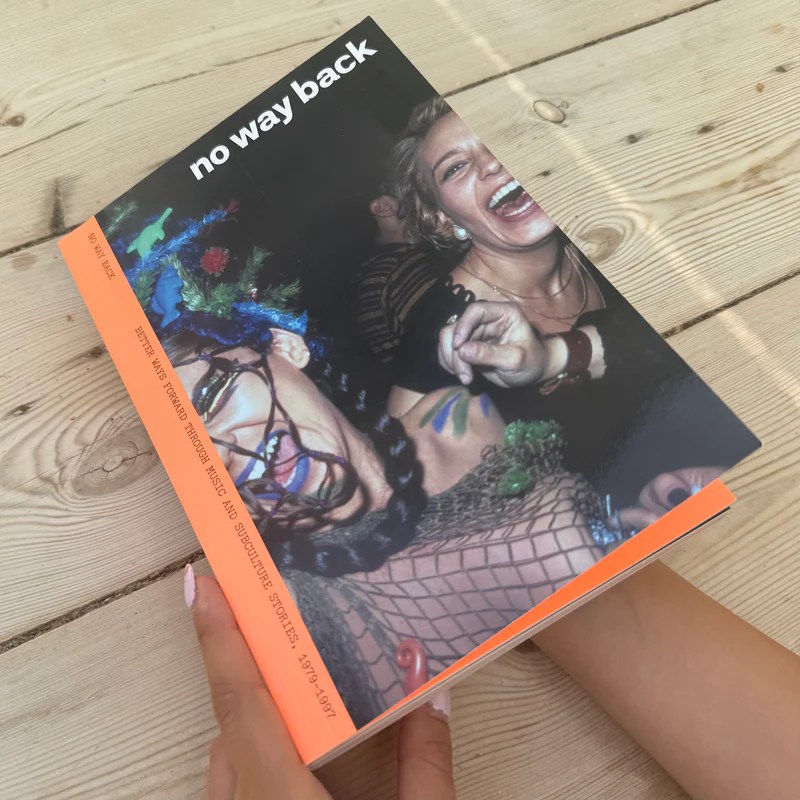
No Way Back Issue 2 is out now. You can buy copies of both Issue 2 and Issue 1 directly from the No Way Back website.
Discover more from Ban Ban Ton Ton
Subscribe to get the latest posts sent to your email.

