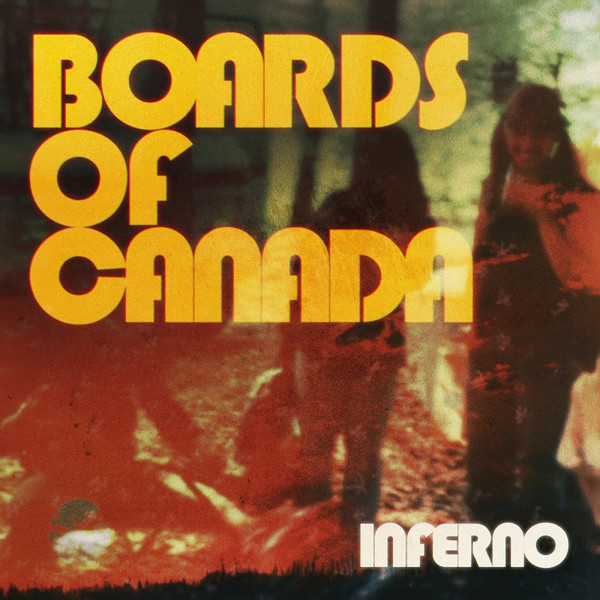
Reviews of Boards Of Canada’s “Inferno” have all searched, and struggled, for the album’s deeper meaning. The duo’s 13 year absence and deliberate, persistent air of mystery produced peak anticipation and put a whole lot of weight on the recordings. However, it seems clear that the set is a dose of darkness, reflecting the times in which it was birthed. I’m not sure if we should have expected anything else. It would have been more of shock if the pair had returned in 2026 with something light and carefree. Try as you might, its becoming near to impossible to put your social / economic / environmental / political blinkers up. Impossible to exist and create in a vacuum. All art right now can only be a statement. Even the throwaway fluff choses to distract or opt out.
The fact that “Inferno” is challenging is a good thing. The quest for samples, easter eggs and the record’s themes, has forced BOC’s diehard fans, and anyone who’s had a cursory listen to the album, to take stock of the noise that surrounds us. The horror and injustice we are bombarded with every second of every hour of every day. As others have stated, the album seems more a comment on the present, as opposed to the hauntological echoes of yesterday found in their previous work.
Opening with samples lifted from “Happy Cycling”, the closing track on “Music Has The Right To Children”, BOC’s 1998 Warp debut, and ending with the diffuse, beatless “I Saw Through Platonia”, which is built around the fogged and frayed pump of a resting human heart, “Inferno” is unmistakably a continuation of BOC’s meticulously crafted world. Intended to be experienced in an uninterrupted sitting / session. 70 minutes designed to provoke questions. Not cherry-picked for DJ standouts.
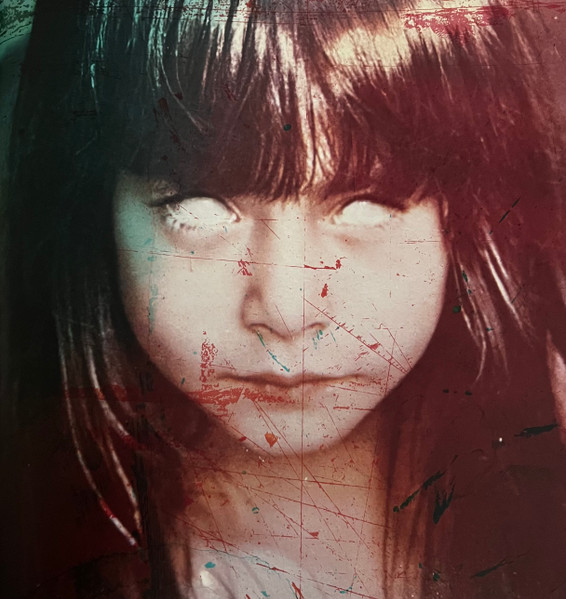
Repeating electronic signals, pitched somewhere between the `60s output of the BBC Radiophonic Workshop and an `80s 8-bit home computer mix with Eastern reed-like wailing and bursts of guitar-generated textures. The beats are big, but slow. The aesthetic that of chopped and screwed pop / rock (1). Bleeps buoy treated vocals. Voices that switch, twist, from satanic baritone to Stephen Hawking-esque “speak-and-spell”. Sources repurposed into apocalyptic androids. Sounds are sucked backwards, slithering, adding detail to icy, cinematic electro. Pretty, chiming melodies, fit for a John Carpenter score, vie with found fragments of spoken word. Footage that may have already been sinister, cut up, out of context and now even creepier. An Islamic scholar, Hindu chanting, an evangelical preacher, and Aleister Crowley. These all seem to be saying something about religion. However, nothing is didactic. No clear side / stance is hammered. It could a condemnation or a celebration. Which is left open to the listener’s prejudices and interpretation. That said, the album’s extensive artwork would strongly suggest that this is a critique (2).
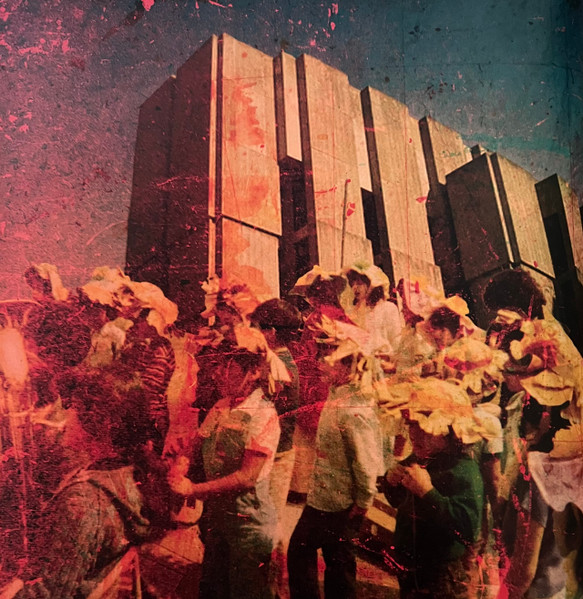
Children sporting sunflower headdress, their eyes white, opaque, blank portals, as if possessed, play among brutalist concrete towers. Futuristic freeways dissect grand canyons. Man-made ugly conquering natural beauty. Christian crosses are projected into the sky. Filters adding splashes of red. Marks that could easily be “mistaken” for blood stains and spatter. The results a conscious obsidian mirroring of the faceless folks on the front of “Music Has The Right To Children”.
The drum programming sometimes, on “Father & Son”, for instance, flashes back to the broken boom bap of Skam, Push Button Objects and the turntable collages of Kid Koala. At others, busy beats splash like lapping tides. Refrains are often wonky, like an old giallo soundtrack spinning slightly off-centre. Raising otherworldly, alien tones. “Into The Magic Land” marries classic, weathered BOC sonics with Robin Guthrie-esque fretwork, making like a mechanical Morricone composing the un-nerving, melancholy mood of a dystopian, failed future. There are buzzing blocks of interference. Hooks are often distant and ghostly. The “guest” vocalists talk of great wars, over the tribal IDM of the demonic “All Reason Departs”, and embryo development on the glitched, groovy “The Word Becomes Flesh”. “Memory Death” is a hushed, serene, deep inner space float, fashioned from an ethereal, celestial choir and life support system emissions.
If you were still in doubt about the album’s messaging, the deluxe edition bonus, “Vol.4 – P. Primers – 177 Giraud’s Mirror”, which arrives in the shape of a hexagon flexi-disc, is a psychedelic chorus of distorted, unintelligible voices. A spooky, scrambled transmission of babble from the other side. “Inferno”, however, is not without its uplifting moments. The penultimate, “You Retreat Through Time And Space” nods toward the wistful BOC of old. Its muted melodies morphing as if reworked from `70s kids TV shows. Proof, perhaps, that the duo hold out some hope.
NOTES
1. In a couple of places I was reminded of Luke Wyatt’s Torn Hawk.
2. Plus there’s a track titled, “Naraka”, the Sanskrit for “hell”.
Boards Of Canada’s Inferno can be ordered directly from Warp.

Discover more from Ban Ban Ton Ton
Subscribe to get the latest posts sent to your email.

