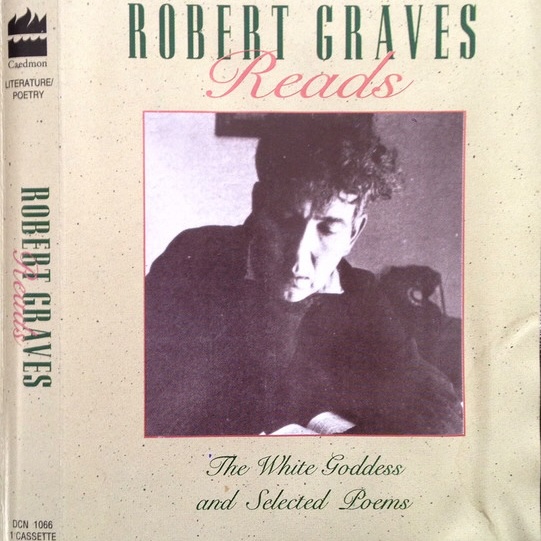
While researching, looking for the hippie roots of Ibiza’s “Balearic Beat” for a magical minute I got distracted by music being made on Mallorca, and, in particular, in the village of Deia …
In the `60s Ibiza’s live music really only consisted of spontaneous jams. Beach drum circles beating, naked folks dancing, as night fell. Crazy parties / happenings in fincas full of freaks. Nothing was recorded. All was of, and lost to, the moment. However, on the neighbouring Mallorca there was in parallel, a more serious scene. Congregated in the small village of Deia was a close knit community of artists, musicians and writers. At the centre of which was the former war poet, turned mystic / magus, Robert Graves.
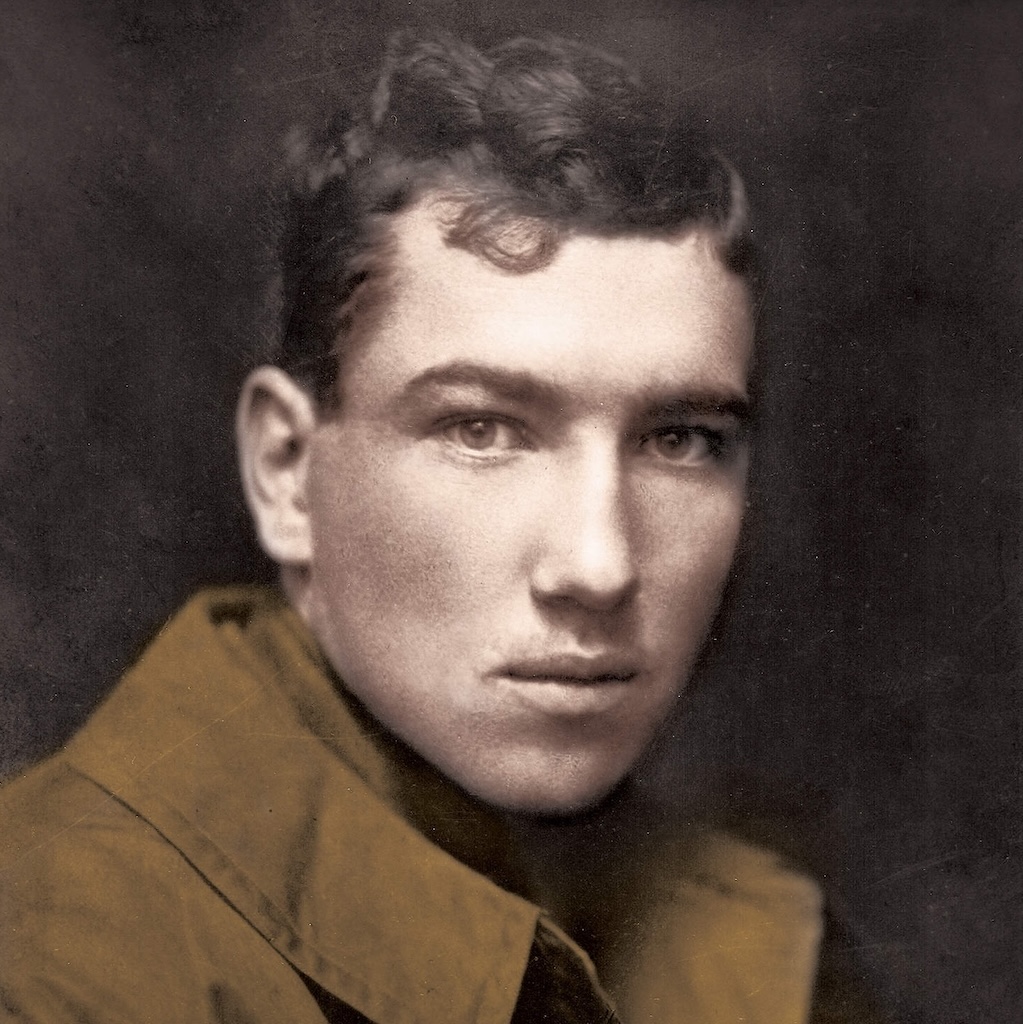
Born in England, in 1895, Graves first moved to Mallorca, in 1929. Settling in the isolated Deia after experiencing the horrors of the trenches of the 1914 -1918 World War. Near fatally wounded in The Battle Of The Somme, Graves was close friends with fellow poets, Wilfred Owen and Siegfried Sassoon. He and Sassoon were rumoured to have been lovers. This meant that Graves had been there, in The Balearics, planting Araucaria trees, and writing poetry, for nearly four decades when, in the late 60s, the hippies arrived.
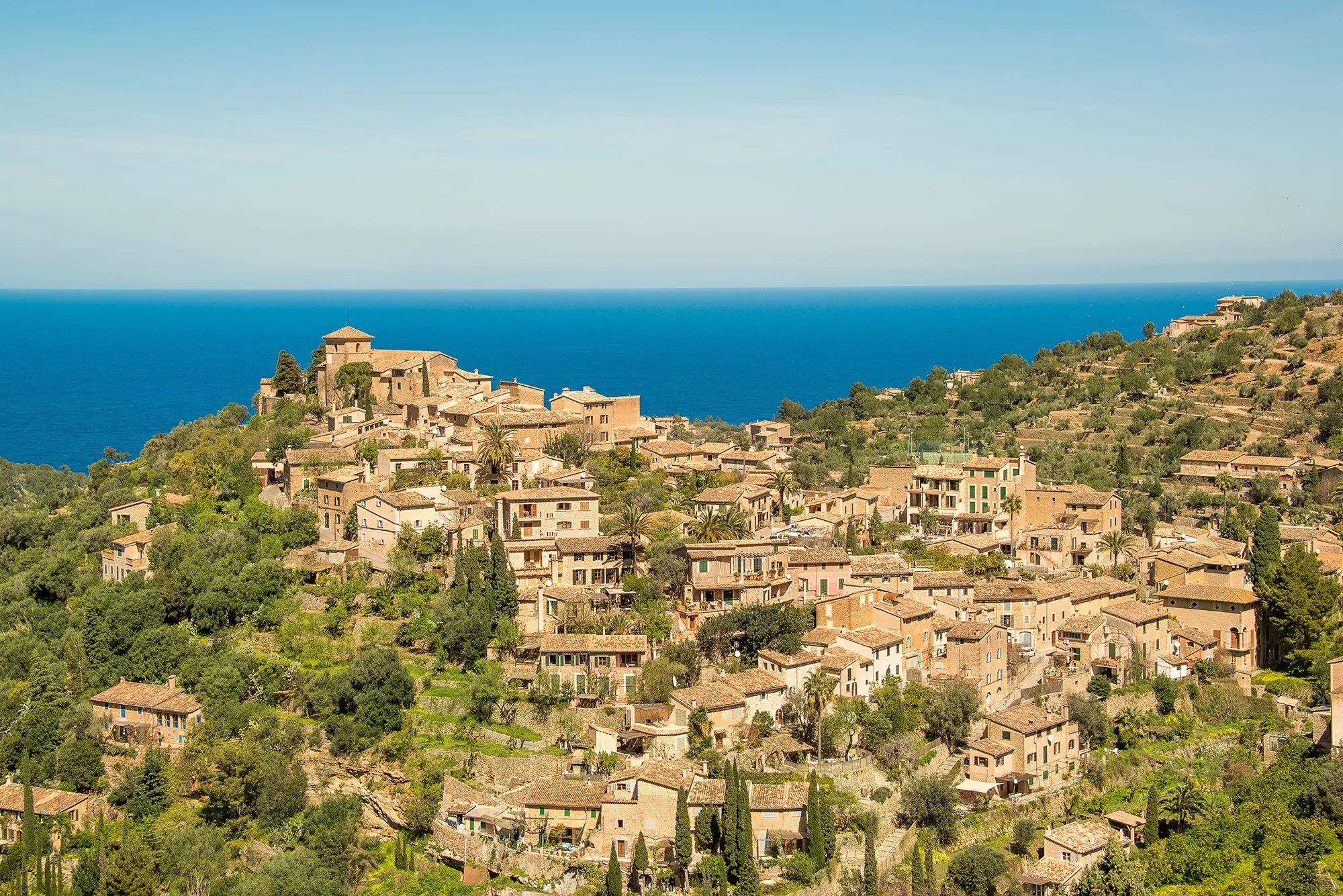
Deia, photograph by James Bennett.
A crowd had assembled around Graves that was more artistic than hedonistic, but had gone into self-imposed exile from modern society, like the hippies, dropped out just the same. Sent by his parents, who were friends of Graves`, Robert Wyatt summered in Deia, while a teenager, in 1962. In `64 he returned with Kevin Ayers, brought in Daevid Allen, and formed Soft Machine. One of the UK’s first psychedelic bands, Soft Machine would appear at events, such as London’s UFO Club, alongside contemporaries AMM and Pink Floyd, and become one of the groups central to Canterbury’s progressive rock / jazz scene.
In Deia Wyatt learnt drums from Ramon Farran, a Spanish musician who’d met Graves on a roadside, and been invited back for tea. Farran eventually married Graves daughter, Lucia, and the pair along with Graves` son Tomas, recorded an album, El Olivo. Its lyrics were based around their father’s poems, which were contained in an accompanying pamphlet, reproduced in Catalan, Spanish, and English. Later, owner of the Indigo Jazz Club in Mallorca`s capital Palma, Farran would also found the Spanish National Jazz Orchestra.
Allen and his partner, Gilli Smyth, returned and settled in Deia after fleeing the fallout of the Parisian demonstrations of May 1968. They recorded there, both solo and as part of the group, Gong. Another Gong member, and fellow Parisian refugee, Didier Malherbe, made his home in a shepherd’s cave located on the Graves` family estate.
Ayers would also return to Deia in the late `70s and stay until the mid `80s. While there he wrote four albums worth of songs, however, he was quoted as saying he had “virtually no recollection of making those records”, having succumbed to a lifestyle of all sorts of expat excess.
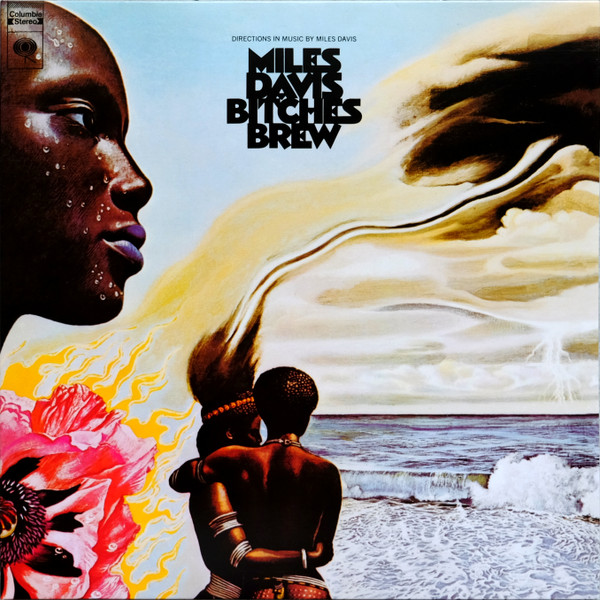
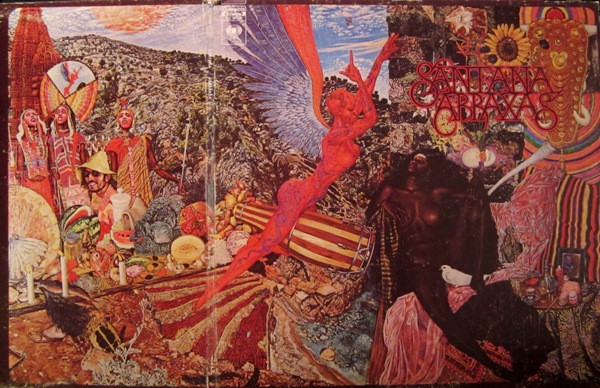
The German surrealist painter, Mati Klarwein, the artist responsible for the iconic cover for Miles Davis` Bitches Brew, was another Graves` Deia associates, and a participant in the family’s regular pots and pans percussion parties. Klarwein`s own house is immortalised on the jacket of Santana`s Abraxas.
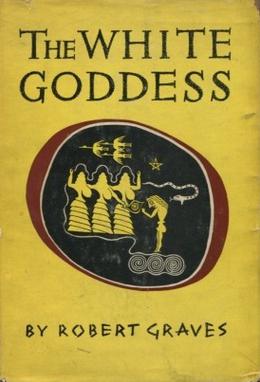
Graves` book, The White Goddess, which, poetically, aims to connect European and Pagan mythology via a shared “mother” deity, had a significant impact on the hippies. Its influence resulting in many of them making pilgrimages to Deia, and Graves` home, Canallun – which is now a museum. Graves, was also an advocate of “magic” mushrooms. He’d published an essay detailing his firm belief that ancient psychedelic experience forms the basis of all religion. Endearing him to the hippies even further.
Juan Arkotxa and Leslie Mackenzie were two of the young people who made the trip to Deia, and Canallun. After following the hippie trail the couple settled in Ibiza in 1974, where they began producing books of illustrated poems. Collections of art that sought, similar to Graves, to demonstrate a shared core between Eastern and Western religions. Through Graves they met Daevid Allen, who convinced them to record an album of songs to accompany the text. The resulting Book Of Am was crafted between Allen’s studio, the Banana Moon Observatory, and Arkotxa and Mackenzie’s own studio, Can Am, up on an Ibicencan hilltop.
In 1977, Allen also collaborated with Pau Riba, a Mallorcan-born / Mallorquin musician and author. The son of a bourgeois family, the grandson of the poet and humanist Carles Riba, he’d rejected his education, and joined the `60s counterculture. His 1971 LP Jo, La Donya I El Gripau was an album of acoustic folk recorded in a near derelict finca. 1977`s Licors, the collaboration with Allen, was a far more eclectic and psychedelic affair.
All of this existed separate to Ibiza’s evolving nightlife and “The Balearic Beat”. The only real overlap connecting the two, was Mallorquin guitarist Joan Bibiloni. Brought up in the neighbouring village of Lluc Alcan, Bibiloni met Tomas Graves at The Guitar Centre, a hub for local musicians, in Palma de Mallorca. He subsequently befriended Tomas’ siblings, Juan and Lucia. All were of a similar age, in their early twenties. Bibiloni was consequently a frequent visitor to Canallun, taking part in musical and poetic events that the family held in their own amphitheatre. Before launching his solo career, Bibiloni contributed to recordings made by several of Deia’s residents – Ramon’s Tabaco, Riba’s Licors and Ayers’ Deià… Vu. However, he also hung out in Ibiza, and jammed at Antonio Escohotado’s venue Amnesia – back when the Second Summer Of Love shrine was still just a country house near Vara del Rey. Playing and partaking of the free pasta, which was served with a generous sprinkling of marijuana.
REFERENCES
Pete Watts: Uncut September 2016
Helen Donlon: Shadows Across The Moon
Damien Enright: Dope In An Age Of Innocence
Stephen Armstrong: The White Island
Discover more from Ban Ban Ton Ton
Subscribe to get the latest posts sent to your email.
 Ban Ban Ton Ton
Great article very interesting
LikeLike
Thank you. I think someone could write a whole book about Deia.
LikeLike
Fascinating read, thank you. THIS is when I remember the internet can be a GREAT thing 🙂
LikeLike
Thank you
LikeLike
Fascinating stuff, Rob. I went to the house a few years back. Deia’s a lovely spot – its geography saving it from the developers. Incidentally, Anita from Bar Anita fame died yesterday – aged 100! https://www.periodicodeibiza.es/pitiusas/ibiza/2026/05/18/2631605/muere-100-anos-ana-mari-torres-del-bar-anita-sant-carles.html
LikeLike